FemRes · Research index
Search
Trace a concept across books, moving images, essays, voices, and feminist research.
- 1112
- Discover feminist resources in 1112 curated items
- 291
- All topics
Browse by medium
Refine
Search results
88 items

How to Have a Healthier, Positive Relationship to Sex
Sex educators Tiffany Kagure Mugo and Siphumeze Khundayi use humor to question sexual shame and rigid scripts, inviting viewers to place pleasure, communication and autonomy back in their own embodied experience.
- Sexuality
- Sexual Liberation
- Sexual Politics

Without Laughter, There Is No Feminism
Mexican comedian Cynthia Híjar starts with an account of online threats, then uses the comic character Nacho Progre to ask what it means to recognize everyday machismo in a joke.
- Latin American Feminism
- Cultural Critique
- Digital Feminism
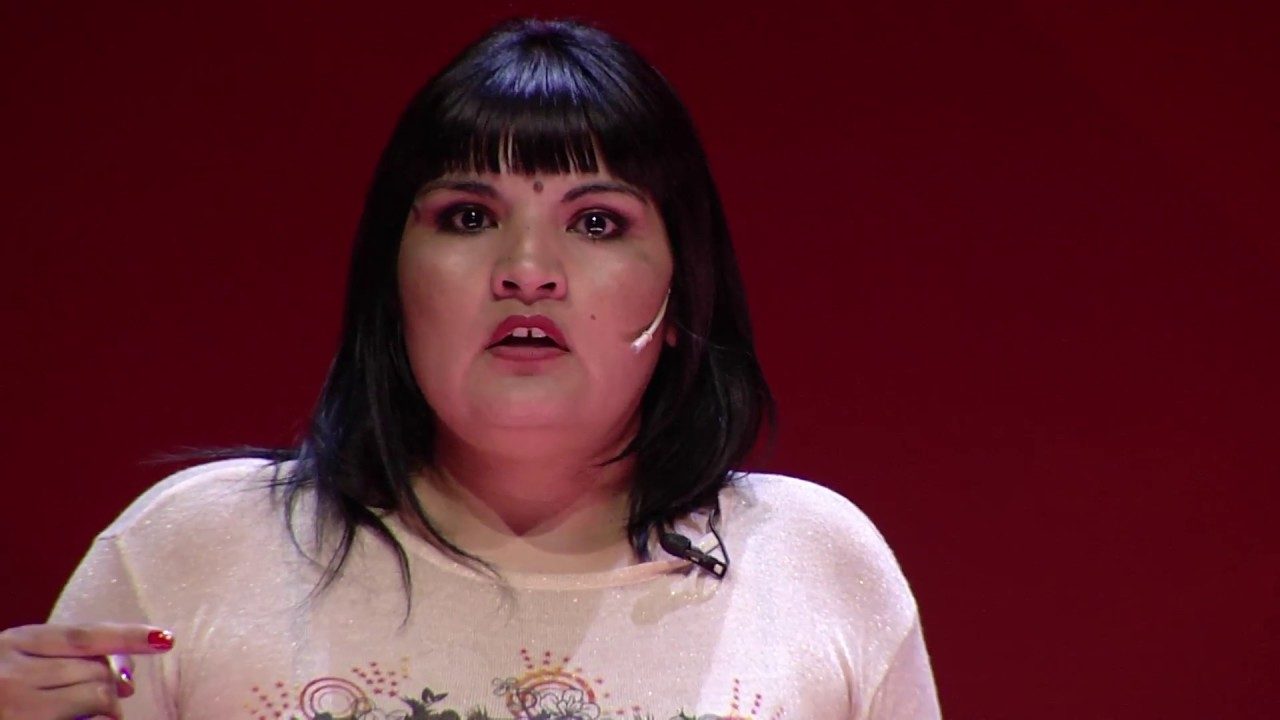
A Whore and a Feminist: Chronicles of a Sex Worker
Argentine sex-worker organizer Georgina Orellano moves from a schoolyard story about her son to questions of stigma, collective organization and labor rights.
- Sex Worker Rights
- Labor Rights
- Sexual Politics

Unlearning Gender
Tasaffy Hossain follows a chicken foot across a family table and a serving spoon across a work lunch. Those objects show how people learn who should do a task, then use the rule to judge themselves.
- South Asian Feminism
- Gender Norms
- Patriarchy Critique

MEETING THE ENEMY A feminist comes to terms with the Men’s Rights movement
Through the lens of the documentary 'The Red Pill,' this analysis explores filmmaker Cassie Jaye's journey of dialogue with the men's rights movement, and how she moved from bias to understanding, ultimately reflecting on the nature of gender equality movements.
- Anti-Feminism Studies
- Men's Rights Movement Critique
- Fourth Wave Feminism

How I’m Fighting Bias in Algorithms
Joy Buolamwini traces algorithmic bias from facial-analysis failures to the institutions that decide what systems see, whom they serve, and who can challenge their use.
- Black Feminism
- Digital Feminism
- Data Justice

If a Story Moves You, Act on It
Sisonke Msimang recalls a stolen bicycle in Nairobi to ask whose stories receive sympathy, then considers how listeners can connect storytelling to evidence and action.
- African Feminism
- Cultural Critique
- Political Participation

How Students of Color Confront Impostor Syndrome
Dena Simmons moves from boarding-school lessons on voice and hair to a Bronx classroom where students’ lives and histories are part of what they learn.
- Education Equality
- Race and Gender
- Identity Formation

The Urgency of Intersectionality
Through an employment discrimination case and the public memory of police violence, Kimberlé Crenshaw shows how Black women disappear when race and gender are examined separately.
- Black Feminism
- Intersectional Feminism
- Critical Race Theory

The Beauty of Being a Misfit
A literary prize brought Lidia Yuknavitch meetings she could scarcely imagine. She follows the delay between receiving an invitation and learning to take it up.
- Women's Writing
- Mental Health
- Identity Formation

Heian Literature and Japanese Court Women
An Ohio State teaching video introduces Heian court literature through Murasaki Shikibu and Sei Shōnagon. It is an accessible orientation, best paired with close reading on language, class, and historical difference.
- Women's History
- Women's Literature
- Women's Writing

Ali Wong: Baby Cobra
Ali Wong's groundbreaking comedy special Baby Cobra features her performing at seven months pregnant, using sharp humor to challenge Asian American female stereotypes and explore gender discrimination, motherhood penalty, and workplace inequality.
- Feminist Comedy
- Asian American Women
- Motherhood

The Reporting System That Sexual Assault Survivors Want
Jessica Ladd separates recording, reporting and conditional matching, asking how survivors can control information without treating design as proof of safety.
- Anti-Sexual Violence
- Design Justice
- Data Justice

Teach Girls Bravery, Not Perfection
Reshma Saujani uses electoral defeat and coding classrooms to distinguish inability from hiding unfinished work, connecting courage with support and institutions.
- Education Equality
- Gender Socialization
- Science Studies

The Problem with Race-Based Medicine
Dorothy Roberts examines genetic questionnaires and clinical measurements, distinguishing the study of racism from race as a biological shortcut.
- Science Studies
- Race and Gender
- Women's Health

Marcela Lagarde on Feminicidio
At FLACSO Ecuador, Lagarde links feminicidio to social tolerance and state responsibility, distinguishing criminalization from wider policy and professional training.
- Anti-Sexual Violence
- State Violence
- Human Rights

The Story We Tell About Poverty Isn’t True
Mia Birdsong follows a cleaning business built on rotating childcare, a parent group and a bookshop café to ask whose existing work attracts investment.
- Class Analysis
- Care Economy
- Economic Empowerment

A Warrior’s Cry Against Child Marriage
Memory Banda traces a campaign in Malawi from a girl’s poem and a literacy group for young mothers to a local bylaw, messages to legislators and a change in national law.
- African Feminism
- Bodily Autonomy
- Anti-Sexual Violence

Confessions of a Bad Feminist
Roxane Gay distinguishes rejecting feminist perfection tests from taking responsibility for contradictory choices in popular culture and everyday life.
- Black Feminism
- Pop Culture Feminism
- Political Consciousness

Why I believe the mistreatment of women is the number one human rights abuse
Former U.S. President Jimmy Carter delivers a powerful call to action to address the global crisis of violence against women and girls. Drawing on his decades of humanitarian work and diplomatic experience, Carter presents shocking statistics and personal observations about the systematic abuse of women worldwide, from human trafficking to honor killings, and challenges religious, political, and cultural institutions to confront their role in perpetuating gender inequality.
- Anti-Sexual Violence
- Women's Rights
- Religious Patriarchy Critique
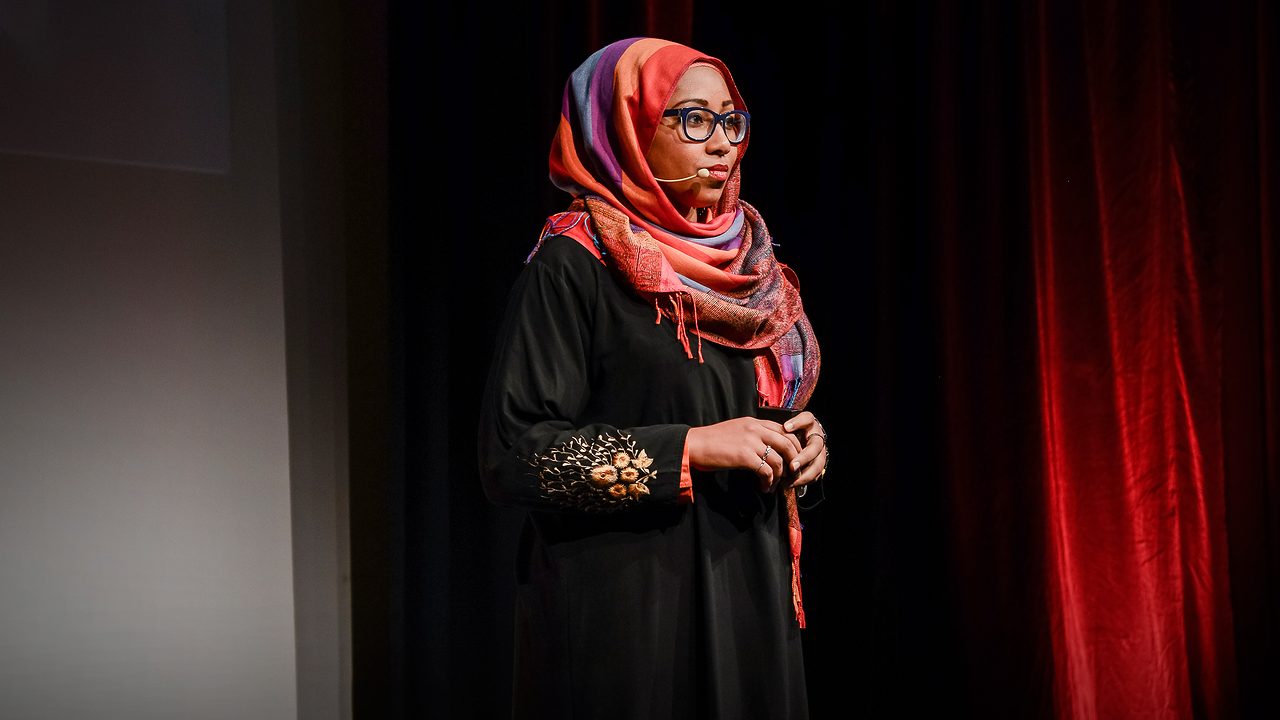
What does my headscarf mean to you?
Engineer and writer Yassmin Abdel-Magied uses the assumptions attached to a headscarf to ask why visible religious dress is treated as a complete explanation of a Muslim woman's life.
- Intersectional Feminism
- Race and Gender
- Religion and Gender

An invitation to men who want a better world for women
In this TEDWomen talk, Elizabeth Nyamayaro introduces the HeForShe campaign and calls on men to actively participate in the global fight for gender equality. Drawing from her personal experience and UN advocacy, she emphasizes shared humanity and collective responsibility in dismantling patriarchal systems.
- Women's Rights
- Gender Equality
- Political Participation

Why gender equality is good for everyone - men included
In this TEDWomen talk, sociologist Michael Kimmel makes a compelling case for why gender equality benefits not only women, but men as well. Using humor and research, he argues that equality leads to healthier relationships, better workplaces, and a more just society. Kimmel challenges men to become active participants in feminist progress.
- Gender Equality
- Men's Rights Movement Critique
- Patriarchy Critique

She's Beautiful When She's Angry
The first documentary film to comprehensively cover feminism's second wave, this groundbreaking 2014 work chronicles the women's liberation movement from 1966-1971. Through archival footage and contemporary interviews, the film brings to life the activists who fought for employment equality, reproductive rights, and sexual liberation, while honestly addressing the movement's struggles with race, class, and homophobia.
- Second Wave Feminism
- Women's Rights
- Reproductive Justice