Issues
FemRes grows like a magazine: each issue gathers books, films, papers and voices around a single feminist theme.
- 11
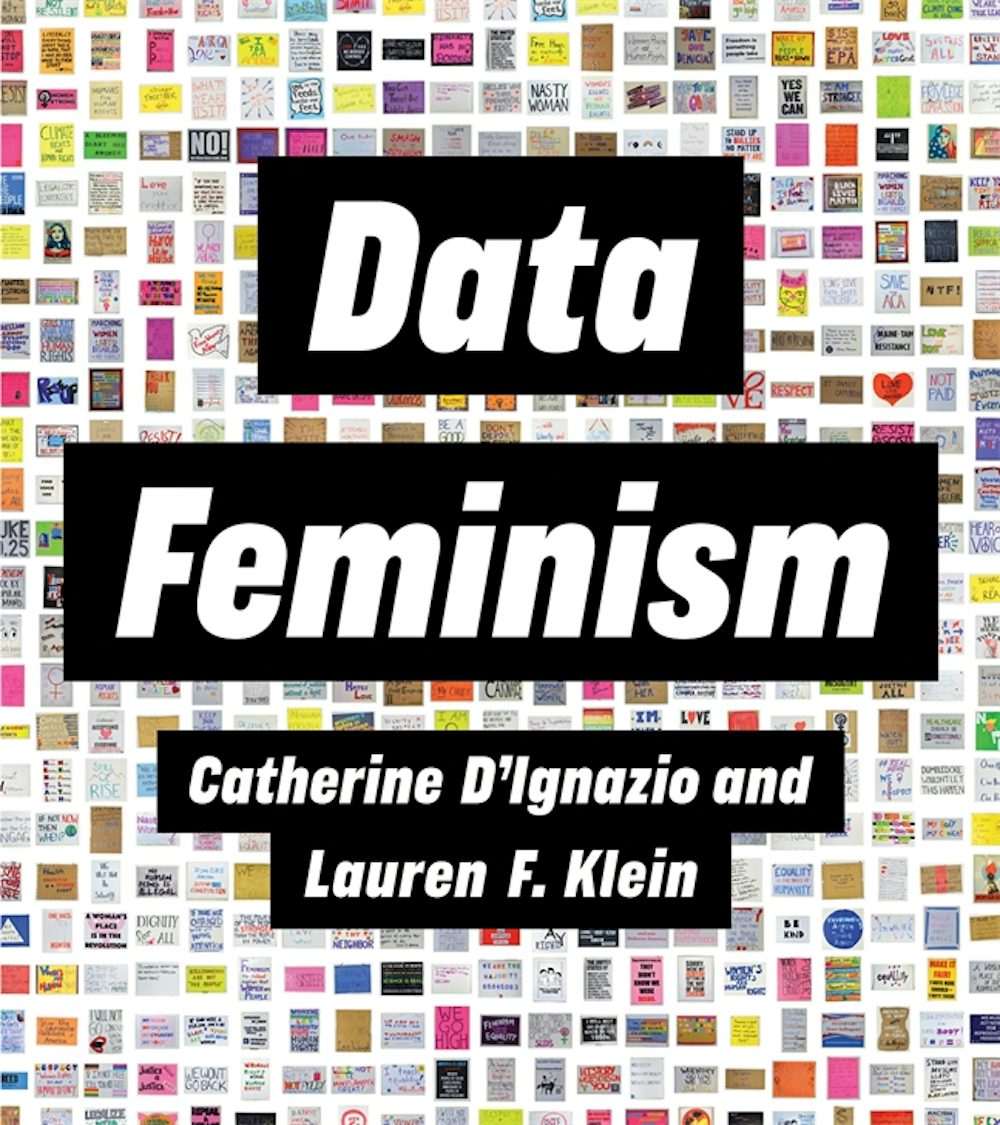 CurrentData, platforms and power
Who shapes our digital lives?
A search, a face, a benefits application: each encounters rules deciding who becomes visible and who is excluded. Starting with Data Feminism, this issue follows classification, moderation, prediction and design into everyday life. Who performs the labor behind automation? Which communities are claiming rights to participate, appeal and refuse? Technology’s future also depends on who can change today’s rules.
30 items · Open the issue → - 10
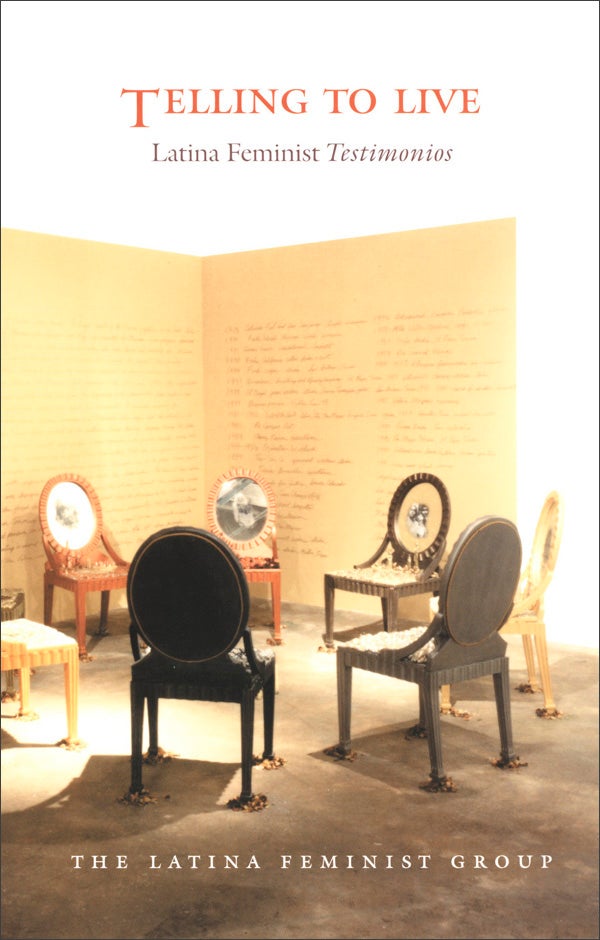 Past issueVoice and knowledge
Whose voices are heard?
From a room to write in to diaries, testimony and film, this issue follows how women’s experiences become knowledge and history, and who controls publishing, archives and public debate. Speaking requires time, resources and listeners, as well as power over interpretation and circulation. Across creative work, collective knowledge, historical records and media responsibility, we examine the distance between speaking and being heard.
30 items · Open the issue → - 09
 Past issueDesire
Who is allowed to desire?
Beginning with The Right to Sex, we ask whose desire is treated as natural and whose requires moral permission. Power shapes desire, but desire gives nobody a claim to another person’s body. Attraction, love, solitude and care have no single answer. Across sexual hierarchies, erotic writing, asexuality and situated experiences, we make room for exploration, uncertainty, refusal and a change of mind.
30 items · Open the issue → - 08
 Past issueEveryday revolution
Who sustains a revolution?
Beginning with a woman searching for her husband in Sambizanga, we follow the messages, care and organizing that sustain resistance. Across anticolonial struggle, labor and solidarity, who carries a revolution’s daily work—and who is left outside its promise of liberation?
30 items · Open the issue → - 07
 Past issueThe right to be unlikeable
Why must she be likeable?
Beginning with Unlikeable Female Characters, we revisit women who are angry, desirous, and unwilling to comply. Who sets the terms of likability—and when does rebellion reproduce someone else’s oppression?
30 items · Open the issue → - 06
 Past issueSafety
Does punishment make us safer?
Beginning with Abolition. Feminism. Now., this issue moves between gender violence, policing, imprisonment and community accountability to ask: when the state promises safety through punishment, who becomes easier to surveil, criminalize and abandon? Can feminism imagine justice as supporting survivors, interrupting harm and changing the conditions that produce violence—not merely building larger cages?
30 items · Open the issue → - 05
 Past issueFutures
Who gets to imagine the future?
Beginning with Octavia E. Butler's Parable of the Sower, this issue moves through climate breakdown, racial capitalism, care and community to ask: when crisis arrives unevenly, who is told to adapt alone, and who gets to seed another future?
30 items · Open the issue → - 04
 Past issueIntimacy
Are we really listening to one another?
Across friendship, strained marriages, care, desire and departure, this issue treats intimacy as a political field: who has room to speak, whose silence is misread, and who is never heard.
30 items · Open the issue → - 03
 Past issueThe body
Who gets to define the body?
From discipline and ageing to the internalised gaze, this issue follows the forces that watch, name and reclaim the body.
30 items · Open the issue → - 02
 Past issueIdentity
Who gets to say who we are?
From gender identity to diaspora and migration, this issue asks how identities are assigned, contested, and rewritten on our own terms.
30 items · Open the issue → - 01
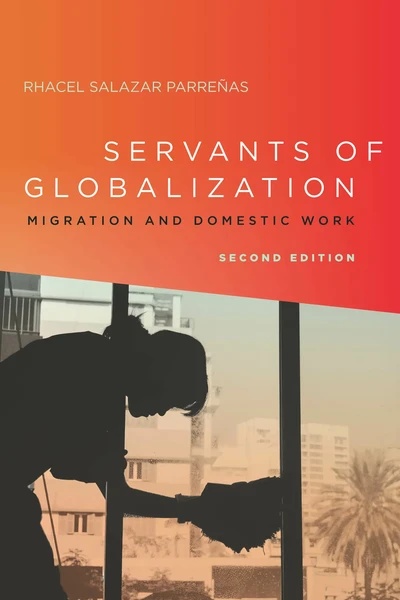 Past issueDomestic labor
Who does the invisible work?
Cooking, cleaning, care and emotional labor — this issue returns domestic and reproductive work to the political stage, and asks why it was ever treated as free and natural.
30 items · Open the issue →