Whose voices are heard?
From a room to write in to diaries, testimony and film, this issue follows how women’s experiences become knowledge and history, and who controls publishing, archives and public debate. Speaking requires time, resources and listeners, as well as power over interpretation and circulation. Across creative work, collective knowledge, historical records and media responsibility, we examine the distance between speaking and being heard.
In this issue
30 items
Books8
Books · Sep 2001
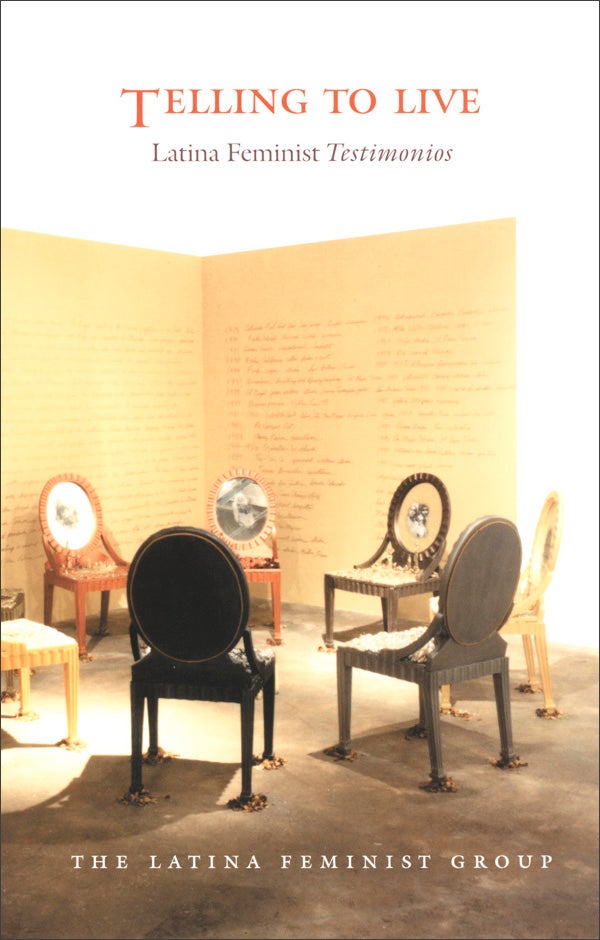
Telling to Live: Latina Feminist Testimonios
The Latina Feminist GroupA Latina feminist collective uses testimonios to connect life stories, academic institutions and collaborative knowledge without erasing differences.
02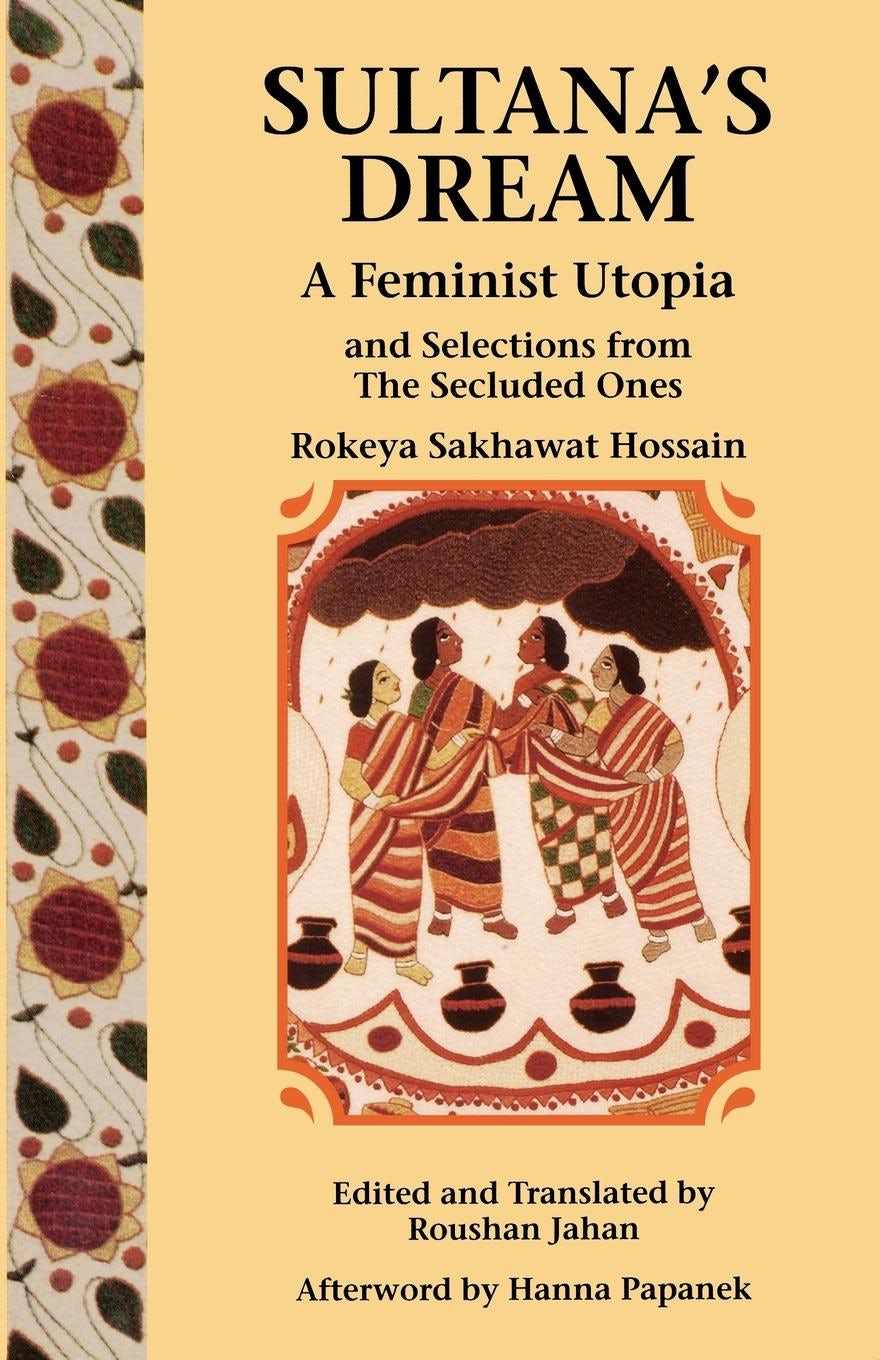
Books · Jan 1988
Sultana's Dream
Rokeya Sakhawat HossainRokeya Sakhawat Hossain's 1905 feminist science-fiction story turns gendered access to education, public space, and science into a speculative experiment - and asks whether knowledge will serve everyday life or militarized power.
03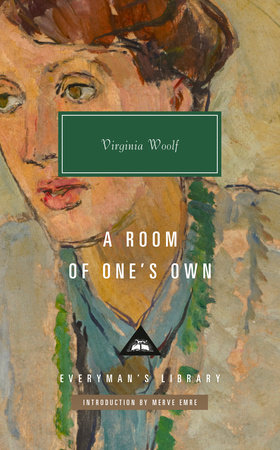
Books · Jan 2025
A Room of One's Own
Virginia WoolfWoolf links income, institutional access and literary value to women’s writing, leaving tensions around anger and creative independence open.
04
Books · Jan 1892
A Voice from the South
Anna Julia CooperThrough education, women’s status, and racial politics, Anna Julia Cooper asks who may speak for Black communities and how Black women can reshape knowledge and public life.
05
Books · Jan 2006
Writing Caste/Writing Gender
Sharmila RegeSharmila Rege reads Dalit women's life narratives as historical and theoretical knowledge, asking who gets to write caste and gender into India's feminist history.
06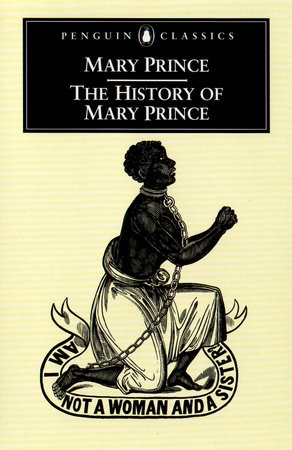
Books · Feb 2001
The History of Mary Prince, a West Indian Slave
Mary PrinceMary Prince’s 1831 narrative links enslavement to bodily labor, family separation, marriage, and constrained freedom, while its editorial framing raises questions about testimony and authority.
07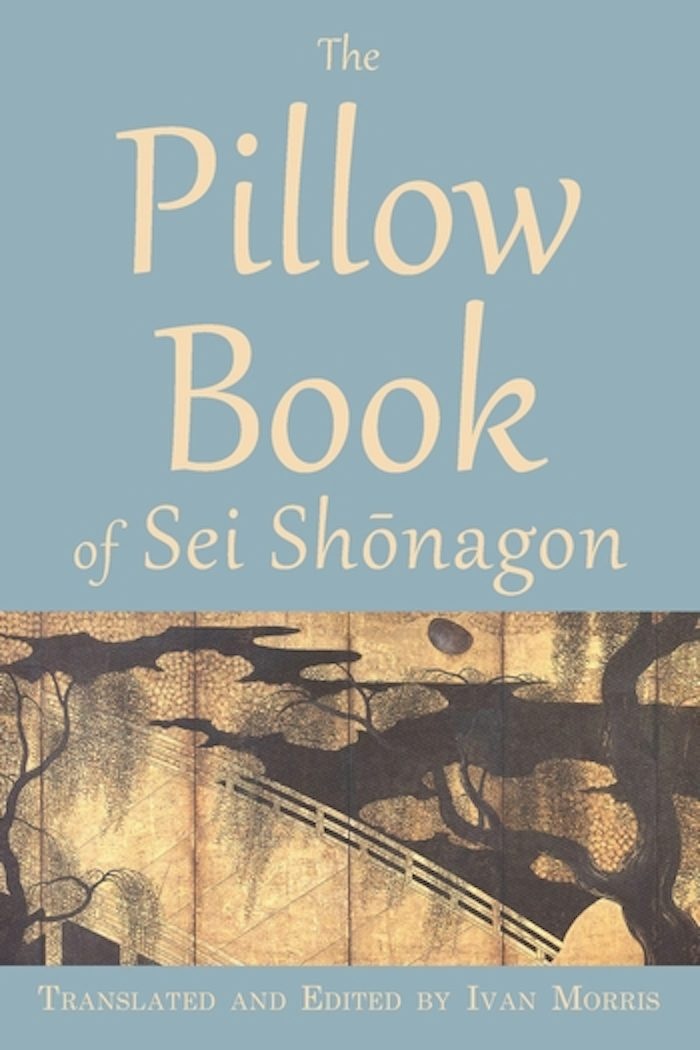
Books · Jul 2018
The Pillow Book of Sei Shōnagon
枕草子 (Makura no Sōshi) / The Pillow BookSei ShōnagonWritten around 1000, The Pillow Book turns lists, poems, and courtly fragments into a woman's literary authority - while revealing the elite world that both enabled and limited that voice.
08
Books · Oct 1997
The Invention of Women
Oyèrónkẹ́ OyěwùmíOyèrónkẹ́ Oyěwùmí questions how ‘woman’ became a universal category, tracing Western gender theory through Yoruba history, language, and colonial knowledge-making.
Films7

Films · Sep 2018
Colette
Wash WestmorelandA biographical drama about 19th-century French writer Sidonie-Gabrielle Colette's growth and awakening. Keira Knightley brilliantly portrays this pioneering female writer who challenged gender norms, fought for authorial credit, and explored gender fluidity in her legendary life.
02
Films · Dec 2019
Little Women
Greta GerwigGreta Gerwig's 'Little Women' reinterprets Louisa May Alcott's classic novel from a contemporary feminist perspective, exploring 19th-century women's struggles between artistic creation, economic independence, and social expectations, breathing new life into the classic story.
03
Films · May 2023
Four Daughters
Les Filles d’OlfaKaouther Ben HaniaKaouther Ben Hania uses testimony and reenactment to examine intergenerational violence, maternal authority and extremist recruitment in a Tunisian family.
04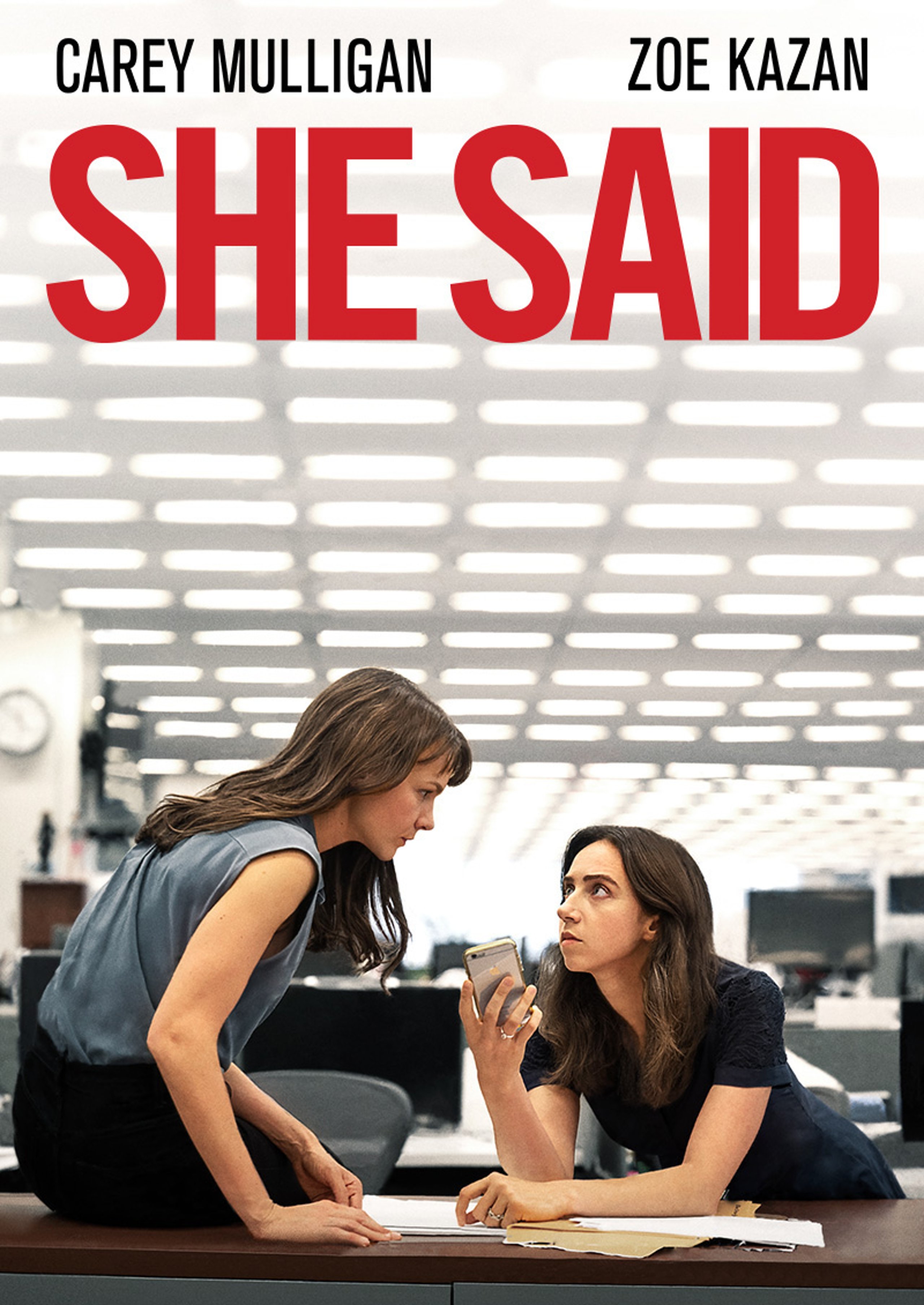
Films · Nov 2022
She Said
Maria SchraderA journalism drama directed by Maria Schrader, starring Carey Mulligan and Zoe Kazan. Adapted from the non-fiction book by New York Times reporters Jodi Kantor and Megan Twohey, following their investigation that exposed Harvey Weinstein's sexual assault scandal. The film deeply explores important issues including the #MeToo movement, gender politics in journalism, the power of women's testimony, and the courage needed to break silence.
05
Films · Mar 2024
My Sextortion Diary
Diari de la meva sextorsióPatricia FranquesaPatricia Franquesa turns the digital traces of intimate-image blackmail into a documentary about consent, gendered shame and reclaiming authority over one's own story.
06
Films · Feb 2009
The Milk of Sorrow
La teta asustadaClaudia LlosaThrough an Indigenous Peruvian woman living with inherited fear, the film examines how wartime sexual violence survives in bodies, households, music, and unequal relations of service.
07
Films · Oct 2020
The Forty-Year-Old Version
Radha BlankNearly 40-year-old African American playwright Radha decides to reinvent herself as a rapper after facing setbacks in New York's art world. This semi-autobiographical black-and-white film deeply explores ageism, intersectional oppression of race and gender, artistic autonomy, and middle-aged women's identity reconstruction in male-dominated industries.
Videos2

Videos · May 2024
Ann Pratt & Seacole in British History
Christienna FryarChristienna Fryar’s Oxford lecture compares Ann Pratt and Mary Seacole, returning to Mary Prince and historians’ archival responsibilities.
02
Videos · Mar 2020
Giving Voice to Absence
Verónica VillalvazoMexican journalist and activist Verónica Villalvazo explains the daily work of documenting feminicide and accompanying families when official institutions allow victims to disappear twice.
Podcasts2

Podcasts · Dec 2016
La Poudre
Lauren BastideLauren Bastide’s French interviews open questions about creative careers and mediation; begin with Rebecca Zlotowski in episode one.
02
Podcasts · Jun 2017
Secret Feminist Agenda
Hannah McGregorHannah McGregor’s feminist podcast links daily practice and knowledge; episode 4.20 with Stacey Copeland opens questions of voice and audio archives.
Articles5
Articles · Mar 1691
Respuesta a Sor Filotea de la Cruz: Learning, the Convent and Women’s Intellectual Authority
Sor Juana Inés de la CruzIn her 1691 reply to Sor Filotea, Sor Juana uses autobiography, theology and classical learning to defend women’s study. This reading keeps the convent setting, her elite position and the argument’s limits in view.
02Articles · Sep 2024
Bintou Sanankoua: A Woman at the Heart of History
Madina ThiamHistorian Madina Thiam’s three-part profile follows Bintou Sanankoua’s scholarship, teaching, feminist organizing and political life in Mali.
03Articles · Jan 2015
Histories of the Self: Women's Diaries in Heian Japan
Sonja ArntzenSonja Arntzen reads three Heian women's diaries through poetry, marriage, court labor, and reading, showing how literary form shaped self-writing while exposing questions of class and representation.
04Articles · Sep 1832
‘Why Sit Ye Here and Die?’ / ‘Lecture Delivered at Franklin Hall’: Knowledge, Work and Black Women’s Speech
Maria W. Miller StewartIn an 1832 Boston address, Maria W. Stewart uses Christian rhetoric to call Black women and men toward learning and public participation while exposing how racialized labour restricts Black women’s opportunities.
05Articles · Apr 2021
The Chilling: Online Violence Against Women Journalists and Press Freedom
Julie Posetti, Nabeelah Shabbir, Diana Maynard, Kalina Bontcheva & Nermine AboulezUNESCO and ICFJ combine survey, interview and social-media evidence to show how online violence silences women journalists and threatens the public’s right to know.
Papers6
Papers · Oct 1998
Dalit Women Talk Differently: A Critique of 'Difference' and Towards a Dalit Feminist Standpoint Position
Sharmila RegeIn this 1998 EPW essay, Sharmila Rege asks how Dalit women's situated experience can become collective feminist knowledge without turning identity into either silence or an unquestionable credential.
02Papers · Oct 1995
Dalit Women Talk Differently
Gopal GuruGopal Guru’s 1995 EPW essay links Dalit women’s autonomous organizing to caste-shaped knowledge, gendered exclusion within Dalit politics, and the conditions of feminist solidarity.
03Papers · Nov 2014
Land as Pedagogy: Nishnaabeg Intelligence and Rebellious Transformation
Leanne Betasamosake SimpsonThrough Kwezens’s maple-sap story and her own schooling, Simpson shows how land, kinship and Nishnaabeg knowledge shape education - and how colonial schooling suppresses Indigenous intelligence.
04Papers · Jul 1987
Sex and Death in the Rational World of Defense Intellectuals
Carol CohnCarol Cohn's fieldwork traces how U.S. nuclear strategists' euphemisms, sexualized metaphors, and domestic imagery make mass violence appear technical, controlled, and rational.
05Papers · Jan 2021
Engaging Girls with Disabilities through Cellphilming: Reflections on Participatory Visual Research as a Means of Countering Violence in the Global South
Engaging girls with disabilities through cellphilming: Reflections on participatory visual research as a means of countering violence in the Global SouthXuan Thuy Nguyen, Marnina Gonick, Tuyen BuiNguyen, Gonick and Bui examine how disabled girls in Vietnam use phone-made short films to represent violence and exclusion, and ask whether participatory images can shift who gets to narrate research.
06Papers · Jan 2024
“Like Seeking Out a Lost Friend”: Reconsidering Pioneer Arab Feminists and Their Networks as Part of a/the First Wave
Roxanne DouglasRoxanne Douglas reconstructs journals, salons, correspondence, and organizing across Egypt, Palestine, and Lebanon to place Arab feminist networks inside - not after or outside - the history of feminism’s first wave.