FemRes · Research index
Search
Trace a concept across books, moving images, essays, voices, and feminist research.
- 1112
- Discover feminist resources in 1112 curated items
- 291
- All topics
Browse by medium
Refine
Search results
1112 items

Reckoning
A lifetime's work from the Tony Award-winning author of The Vagina Monologues. Spanning forty years of journals, V's Reckoning is a powerful collage of poetry, prose, dreams, and letters that chronicles her journey from childhood trauma to global activism, showing how to transform personal pain into collective power and write oneself into freedom.
- Anti-Sexual Violence
- Feminist Art
- Feminist Theory
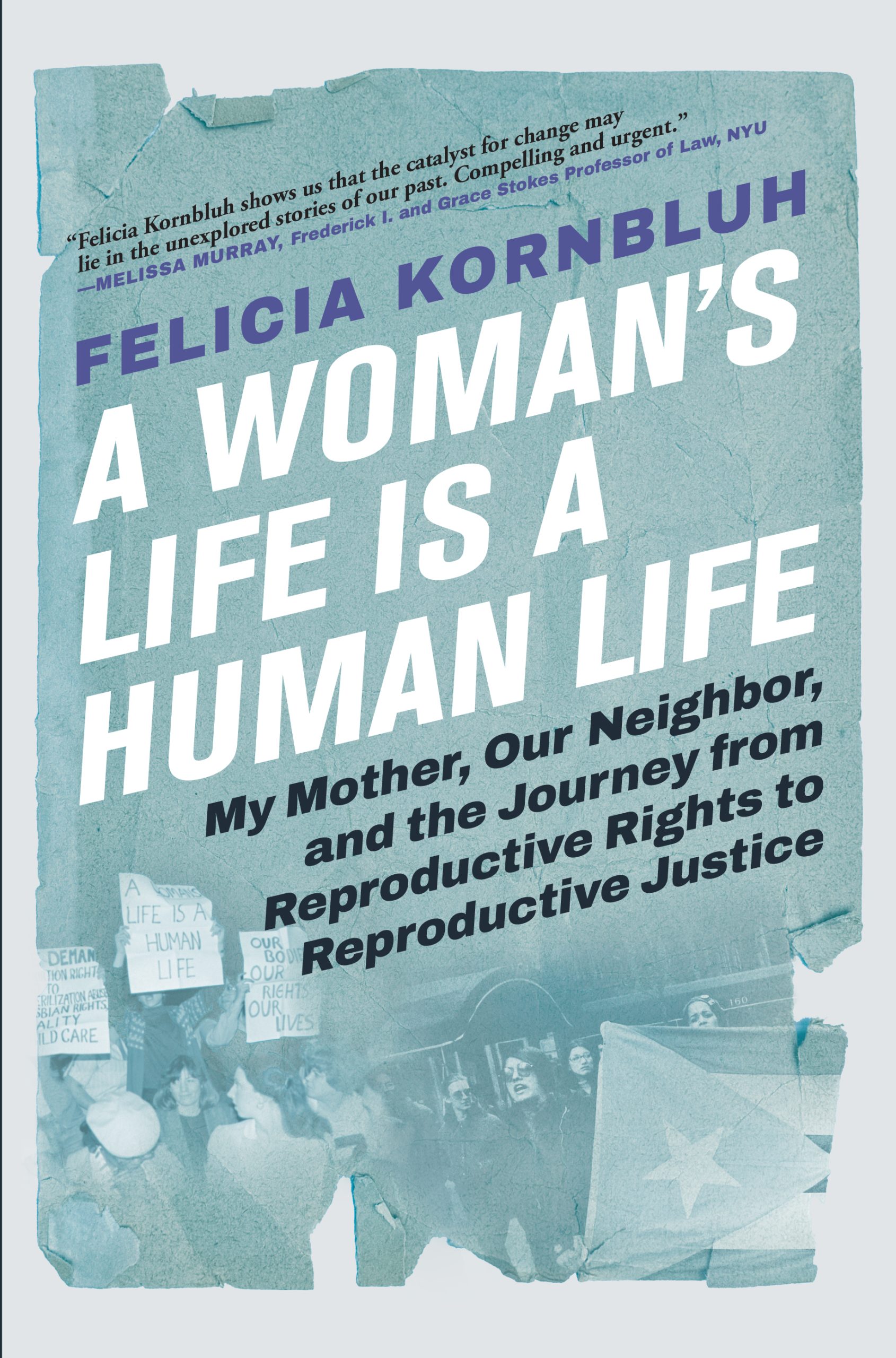
A Woman's Life Is a Human Life: My Mother, Our Neighbor, and the Journey from Reproductive Rights to Reproductive Justice
Kornbluh links abortion rights and resistance to sterilization abuse, showing why reproductive autonomy includes the right to bear children.
- Reproductive Justice
- Reproductive Autonomy
- Abortion Rights
A Strategy, a Market and New Voices: Indigenous Women and the AWID Forums
AWID documents how the Indigenous Women’s Movement entered feminist decision-making spaces, advanced collective rights and land questions, and made room for new voices and movement resources.
- Indigenous Feminism
- Social Movements
- Intersectionality
Sem Terra women: work and agroecology
Histórias de vida de mulheres Sem Terra: divisão sexual do trabalho na agroecologiaOral histories from Paraná show how agroecological income can expand women's autonomy while unequal domestic work erodes rest and political participation.
- Ecofeminism
- Food Sovereignty
- Domestic Labor

Banel & Adama
Banel e AdamaRamata-Toulaye Sy’s Pulaar-language fable joins a woman’s refusal of prescribed motherhood to love, communal duties and the troubling power of myth.
- African Feminism
- Bodily Autonomy
- Women's Cinema
Japan’s 2021 Single-Parent Household Survey
The survey distinguishes employment earnings, personal income, household resources and child support, challenging moral explanations of single-parent hardship.
- Motherhood
- Care Economy
- Policy Research

Women Talking
A drama film written and directed by Sarah Polley, adapted from Miriam Toews' novel of the same name. Set in a Bolivian Mennonite community, following a group of women who gather to discuss their future after discovering systematic sexual assault by men in their community. The film deeply explores important issues including religious patriarchy critique, collective trauma and healing, women's political awakening, and the power of silence versus voice.
- Religious Patriarchy Critique
- Anti-Sexual Violence
- Political Consciousness

Women’s Work: The Care Burden
Tashny Sukumaran recalls being brought to her mother’s classroom when ill. Childcare journeys, leave for fathers and an unused voucher become ways to ask who can decide how to spend their time.
- Care Economy
- Domestic Labor
- Workplace Equality
South Korea's Gender Gap: The Paradox of Inequality and Backlash
An analysis of South Korea's complex gender landscape, where deep-seated structural inequality coexists with a powerful anti-feminist movement and political shifts that threaten existing protections for women.
- Anti-Feminism Studies
- Patriarchy Critique
- Political Participation

What Is Community Feminism? A Contribution to Ending Violence against Women
Aymara feminist thinker Julieta Paredes examines patriarchy as a historical relation and asks how shared life, bodies and community can become sites of transformation.
- Indigenous Feminism
- Latin American Feminism
- Decolonial Feminism

stop denying women their autonomy
In this video essay, oliSUNvia critiques the cultural backlash against 'choice feminism' and the rise of stay-at-home girlfriend discourse. She argues that autonomy must include the right to make non-normative or traditionally feminine choices without being dismissed as brainwashed or anti-feminist. Through nuanced commentary and community responses, the video explores the tension between agency, internalized norms, and feminist respect for individual paths.
- Gender Equality
- Bodily Autonomy
- Domestic Labor
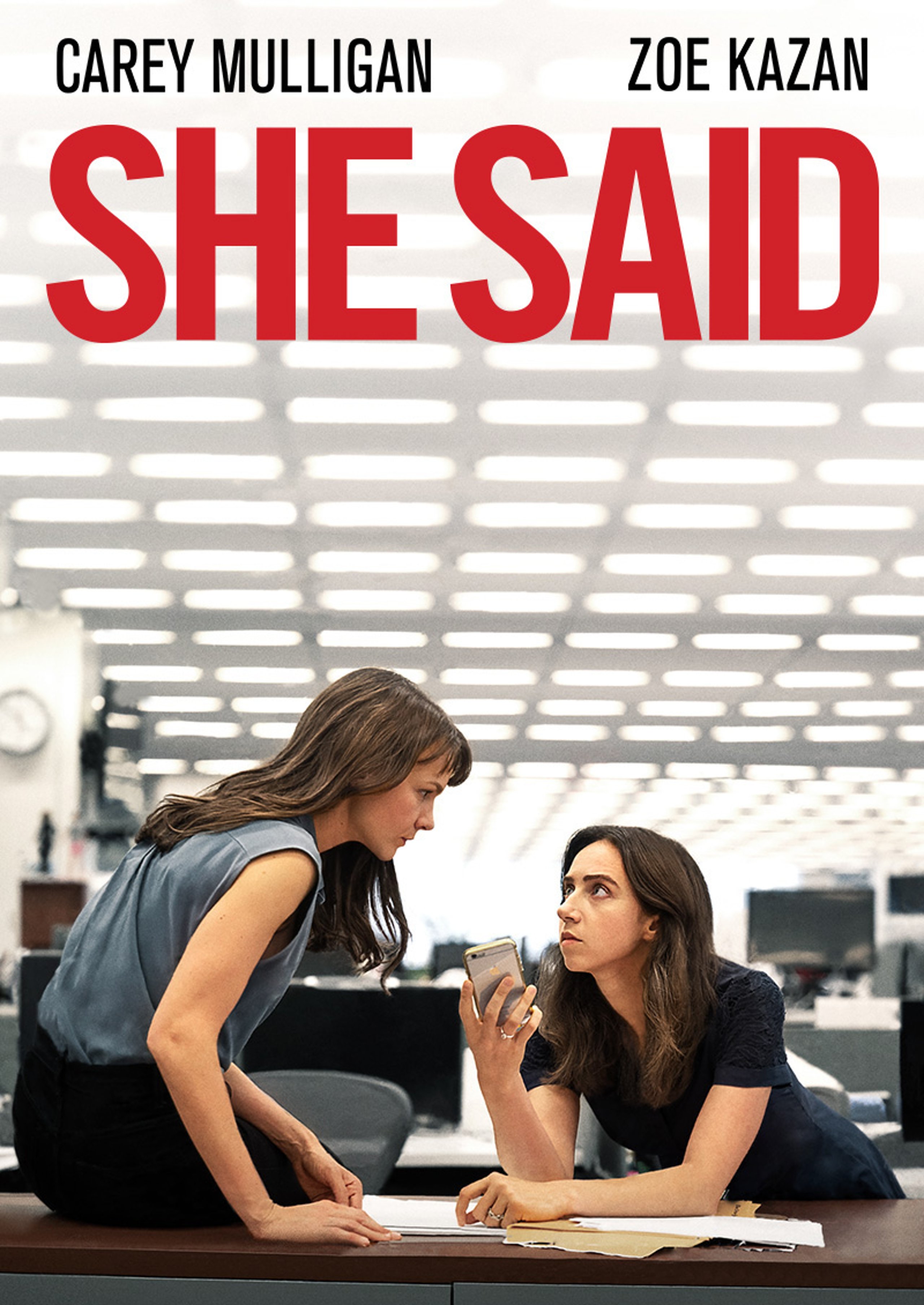
She Said
Maria Schrader places survivors’ voices, a former assistant’s settlement and a newsroom’s verification side by side to ask what makes testimony publishable.
- MeToo Movement
- Anti-Sexual Violence
- Media Representation Critique

The Trauma of Caste: A Dalit Feminist Meditation on Survivorship, Healing, and Abolition
Thenmozhi Soundararajan combines memoir, Dalit feminism, engaged Buddhism, and embodied practice to examine how caste injury enters bodies, communities, and transnational institutions.
- Dalit Feminism
- Caste and Gender
- Prison Abolition
Buenos Aires Commitment: A Care Society
The 2022 Buenos Aires Commitment treats care as a right, linking labor, public services, disabled people’s autonomy and fiscal responsibility.
- Ethics of Care
- Reproductive Labor
- Labor Rights
Indigenous Women and Girls: CEDAW No. 39
CEDAW No. 39 connects Indigenous women’s individual and collective rights through land, justice and participation.
- Indigenous Feminism
- Indigenous Sovereignty
- Political Participation
Not My AI: A Feminist Framework to Challenge Public-Sector Algorithmic Decisions
Through Latin American public-service cases, Joana Varon and Paz Peña ask who defines problems and bears the costs when algorithms allocate benefits or predict risk.
- Latin American Feminism
- Digital Feminism
- Data Justice
MeToo's Global Impact: What Has Really Changed?
An in-depth analysis of the global impact of the #MeToo movement, exploring how it has empowered women to speak out, revealed deep-rooted social issues, and driven ongoing structural change.
- MeToo Movement
- Anti-Sexual Violence
- Fourth Wave Feminism

The Future Is Disabled
The Future Is Disabled: Prophecies, Love Notes and Mourning SongsLeah Lakshmi Piepzna-Samarasinha connects disability justice to mutual aid, grief, climate survival, accessible art, and disabled joy - without romanticizing care work.
- Disability Justice
- Ethics of Care
- Queer Theory
Argentina’s 2021 Time-Use Survey
INDEC’s diary-based survey measures unpaid work, distinguishing participation rates, participants’ average time and population-wide averages.
- Domestic Labor
- Care Economy
- Research Methods

The Woman King
A historical action epic directed by Gina Prince-Bythewood, starring Viola Davis. Set against the backdrop of the 19th-century West African Kingdom of Dahomey's all-female warrior regiment, the Agojie, following General Nanisca as she trains a new generation of female warriors to defend the kingdom. The film explores important themes of Black female power, African historical narrative, decolonialism, and women's military leadership.
- Black Feminism
- Decolonial Feminism
- Female Friendship

Before We Were Trans
Kit Heyam challenges modern, white, medicalized origin stories of gender variance while demonstrating how to write trans history without imposing definitive identities on people in the past.
- Trans Studies
- Historical Context
- Decolonial Feminism

Hysterical: A Memoir
Acclaimed humor writer Elissa Bassist's memoir about reclaiming her authentic voice in a culture that doesn't listen to women. Between 2016-2018 she saw 20+ medical professionals for mysterious ailments, until an acupuncturist suggested her physical pain could be caged fury. This is medical mystery, cultural criticism, and rallying cry. Semi-finalist for 2023 Thurber Prize for American Humor.
- Medical Patriarchy Critique
- Women's Health
- Feminist Psychology

The Transgender Issue
Shon Faye places trans politics in Britain within healthcare, housing, labor, class, and punitive systems, making material life central to trans justice.
- Trans Feminism
- Social Justice
- Trans Health

The Case Against the Sexual Revolution
Louise Perry challenges a sexual liberalism that treats consent and choice as a complete ethic, foregrounding gendered risk while inviting scrutiny of her biological essentialism, marital prescription, and limited engagement with queer and sex-worker perspectives.
- Feminist Theory
- Sexual Politics
- Cultural Critique