FemRes · Research index
Search
Trace a concept across books, moving images, essays, voices, and feminist research.
- 1112
- Discover feminist resources in 1112 curated items
- 291
- All topics
Browse by medium
Refine
Search results
1112 items

A Warrior’s Cry Against Child Marriage
Memory Banda traces a campaign in Malawi from a girl’s poem and a literacy group for young mothers to a local bylaw, messages to legislators and a change in national law.
- African Feminism
- Bodily Autonomy
- Anti-Sexual Violence

Confessions of a Bad Feminist
Roxane Gay distinguishes rejecting feminist perfection tests from taking responsibility for contradictory choices in popular culture and everyday life.
- Black Feminism
- Pop Culture Feminism
- Political Consciousness

Mustang
A beach game leads to confinement for five sisters. Deniz Gamze Ergüven uses a football stand, a television and a house filling with bars to ask who gets to judge the girls.
- Family Liberation
- Patriarchy Critique
- Female Friendship

Gender and Sexuality in Latin America
A feminist reading of Latin American case law on reproductive autonomy, property, violence and queer family recognition - and the limits of judicial equality.
- Latin American Feminism
- Legal Equality
- Queer Theory
Disability Justice: A Working Draft
Patty Berne's Sins Invalid essay distinguishes disability rights from disability justice, centering intersectionality, leadership by those most impacted, anti-capitalism, cross-movement organizing, collective access, and collective liberation.
- Disability Justice
- Intersectional Feminism
- Race and Gender
Ni Una Menos: The 3 June 2015 Manifesto
The Argentine manifesto joins the right to refuse with demands for housing, support, public budgets and institutions that can sustain that refusal.
- Latin American Feminism
- Social Movements
- Anti-Sexual Violence

Why I believe the mistreatment of women is the number one human rights abuse
Former U.S. President Jimmy Carter delivers a powerful call to action to address the global crisis of violence against women and girls. Drawing on his decades of humanitarian work and diplomatic experience, Carter presents shocking statistics and personal observations about the systematic abuse of women worldwide, from human trafficking to honor killings, and challenges religious, political, and cultural institutions to confront their role in perpetuating gender inequality.
- Anti-Sexual Violence
- Women's Rights
- Religious Patriarchy Critique
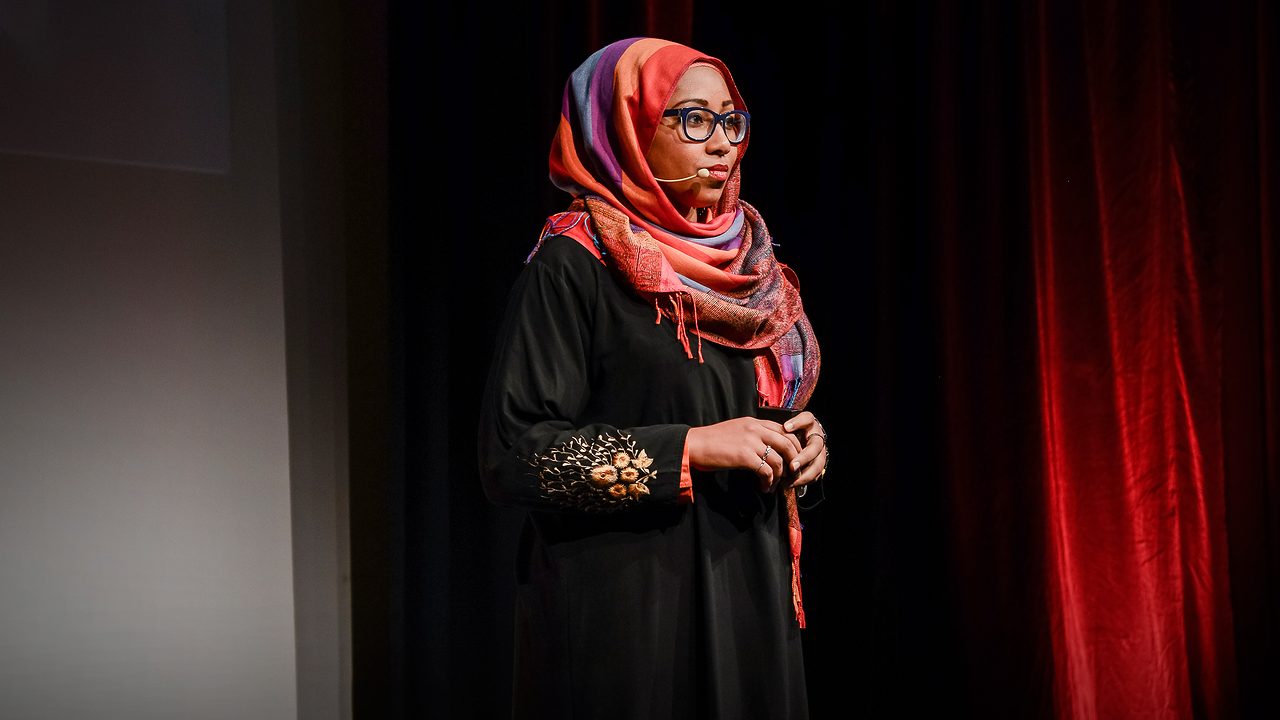
What does my headscarf mean to you?
Engineer and writer Yassmin Abdel-Magied uses the assumptions attached to a headscarf to ask why visible religious dress is treated as a complete explanation of a Muslim woman's life.
- Intersectional Feminism
- Race and Gender
- Religion and Gender

The Bloody Chamber and Other Stories
Angela Carter retells tales such as Bluebeard and Little Red Riding Hood in Gothic forms that keep female desire, danger, and unequal power in tension.
- Women's Literature
- Postmodern Feminism
- Cultural Critique

The White Possessive: Property, Power, and Indigenous Sovereignty
Moreton-Robinson connects property, racial knowledge and patriarchal sovereignty to ask how settler institutions reproduce possession of Indigenous lands.
- Indigenous Feminism
- Indigenous Sovereignty
- Settler Colonialism

Mad Max: Fury Road
In a post-apocalyptic wasteland, Imperator Furiosa leads a group of women escaping the tyrannical rule of Immortan Joe in search of a promised land of freedom. This action film places female resistance and sisterhood at the heart of a traditionally male-dominated genre.
- Radical Feminism
- Bodily Autonomy
- Patriarchy Critique

An invitation to men who want a better world for women
In this TEDWomen talk, Elizabeth Nyamayaro introduces the HeForShe campaign and calls on men to actively participate in the global fight for gender equality. Drawing from her personal experience and UN advocacy, she emphasizes shared humanity and collective responsibility in dismantling patriarchal systems.
- Women's Rights
- Gender Equality
- Political Participation

Why gender equality is good for everyone - men included
In this TEDWomen talk, sociologist Michael Kimmel makes a compelling case for why gender equality benefits not only women, but men as well. Using humor and research, he argues that equality leads to healthier relationships, better workplaces, and a more just society. Kimmel challenges men to become active participants in feminist progress.
- Gender Equality
- Men's Rights Movement Critique
- Patriarchy Critique
Consubstantiality vs Intersectionality?
Consubstantialité vs intersectionnalité? À propos de l’imbrication des rapports sociauxGalerand and Kergoat examine how relations of sex, class and race produce social groups, rather than simply intersecting fixed identities.
- Intersectional Feminism
- Feminist Economics
- Labor Rights

Male Daughters, Female Husbands: Gender and Sex in an African Society
Ifi Amadiume’s study of Nnobi society separates social roles such as daughter and husband from anatomical sex, while tracing how colonial rule narrowed women’s political and economic authority.
- African Feminism
- Decolonial Feminism
- Gender Politics

Compañeras: Zapatista Women’s Stories
An oral history of Zapatista women’s cooperatives, the Women’s Revolutionary Law, and the unfinished struggle over land, care, and community autonomy.
- Latin American Feminism
- Indigenous Feminism
- Decolonial Feminism

The Second Mother
Que Horas Ela Volta?Fabinho asks when his mother will be back. Val keeps him company while trying to reach her own daughter by phone. A kitchen doorway and two trips into a pool show how the time of two households overlaps.
- Domestic Labor
- Care Economy
- Class and Gender
Expectations of Brilliance
Expectations of brilliance underlie gender distributions across academic disciplinesAcross 30 disciplines, Leslie and colleagues compare beliefs about brilliance with women’s share of PhDs. A later exchange tests how to interpret it.
- Education
- Gender Stereotypes
- Policy Research

This Bridge Called My Back
A groundbreaking collection of writings by radical women of color that brought together diverse racial voices, critiqued the limitations of white feminism, and advanced intersectional feminist development.
- Intersectional Feminism
- Race and Gender
- Decolonial Feminism
Histories of the Self: Women's Diaries in Heian Japan
Sonja Arntzen reads three Heian women's diaries through poetry, marriage, court labor, and reading, showing how literary form shaped self-writing while exposing questions of class and representation.
- Women's History
- Life Writing
- Women's Literature

Women's Poverty
女性たちの貧困 : “新たな連鎖”の衝撃A source-informed reading of NHK's reporting on poverty in Japan: how education debt, insecure work and childcare constraints can compound, without treating selected interviews as population statistics.
- Women's Work
- Economic Empowerment
- Class Analysis

Wild
A biographical drama adapted from Cheryl Strayed's memoir, starring Reese Witherspoon as a woman who hikes the Pacific Crest Trail alone. This 2014 film deeply explores themes of female self-redemption, identity reconstruction, and independent survival in a male-dominated world.
- Family Liberation
- Bodily Autonomy
- Anti-Sexual Violence
Land as Pedagogy: Nishnaabeg Intelligence and Rebellious Transformation
Through Kwezens’s maple-sap story and her own schooling, Simpson shows how land, kinship and Nishnaabeg knowledge shape education - and how colonial schooling suppresses Indigenous intelligence.
- Indigenous Feminism
- Land-Based Education
- Indigenous Sovereignty

She's Beautiful When She's Angry
The first documentary film to comprehensively cover feminism's second wave, this groundbreaking 2014 work chronicles the women's liberation movement from 1966-1971. Through archival footage and contemporary interviews, the film brings to life the activists who fought for employment equality, reproductive rights, and sexual liberation, while honestly addressing the movement's struggles with race, class, and homophobia.
- Second Wave Feminism
- Women's Rights
- Reproductive Justice