FemRes · Research index
Search
Trace a concept across books, moving images, essays, voices, and feminist research.
- 1112
- Discover feminist resources in 1112 curated items
- 291
- All topics
Browse by medium
Refine
Search results
1112 items

Soongava: Dance of the Orchids
SoongavaDiya breaks off an arranged engagement to live with Kiran. Subarna Thapa follows the women from the privacy of a waterfall to a shared address where family pressure begins to affect work and housing.
- South Asian Feminism
- Lesbian Feminism
- Queer Theory

The Flowers of War
金陵十三钗Zhang Yimou’s The Flowers of War raises questions about sexual violence, hierarchies of chastity and who becomes a rescuer in occupied Nanjing.
- Anti-Sexual Violence
- Sex Worker Rights
- Media Representation Critique

Politics of Piety: The Islamic Revival and the Feminist Subject
Saba Mahmood’s ethnography of Cairo’s women’s mosque movement challenges feminist theories that recognize agency only as resistance to norms and asks how ethical subjects are formed through embodied religious practice.
- Arab Feminism
- Religion and Gender
- Feminist Theory

Feminist Disability Studies
Edited by Kim Q. Hall, this collection links feminist theory and disability studies across embodiment, literature, race, citizenship, sexuality, and the politics of visibility.
- Disability Justice
- Feminist Theory
- Feminist Philosophy

My Brilliant Friend
L'amica genialeIn 1950s Naples, Elena and Lila’s friendship is shaped by unequal schooling, class barriers, and gendered violence in the first Neapolitan novel.
- Female Friendship
- Class Analysis
- Education
Decolonising disability: thinking and acting globally
Meekosha connects disability theory’s Northern authority with colonial dispossession, war, pollution and dangerous work, asking who produces injury and defines disability.
- Feminist Disability Studies
- Disability Justice
- Postcolonial Feminism
What Does It Mean to Do Feminist Research in African Contexts?
What Does it Mean to Do Feminist Research in African Contexts?Mama examines feminist research through African intellectual networks, activist collaboration and the ethical demands of local engagement.
- African Feminism
- Feminist Epistemology
- Academic Feminism

Circumstance
Director Maryam Keshavarz's coming-of-age drama focuses on a wealthy Iranian family, particularly headstrong teenager Atafeh whose relationship with her friend Shireen evolves from friendship into romance and even eroticism, alongside her brother's journey from recovering drug addict to religious extremist. This vibrant exploration of sexual rebellion showcases high school protagonists confronting patriarchal oppression, culminating in a penetrating examination of women's treatment under Iranian theocracy.
- Queer Theory
- Anti-Feminism Studies
- Religious Patriarchy Critique
Moving Toward the Ugly
Mingus writes from disability justice to critique how beauty, normality, and desirability organize bodily value, proposing a liberatory politics of moving toward the ugly.
- Disability Justice
- Body Politics
- Queer Theory
Food Sovereignty: Exploring Debates on Development Alternatives and Women’s Rights
Pamela Caro reads food sovereignty through peasant organizing and feminism, asking who controls land and seeds - and how recognizing rural women’s work can avoid fixing gendered divisions of labor.
- Food Sovereignty
- Feminist Political Ecology
- Social Movements
The VAMP/SANGRAM Sex Workers’ Movement
This movement case study shows how sex workers in southwest India built collective leadership, challenged police violence and rescue politics, and forced feminist organizations to confront their own moral boundaries.
- South Asian Feminism
- Sex Worker Rights
- Labor Rights
Misfits
Misfits: A Feminist Materialist Disability ConceptRosemarie Garland-Thomson examines changing encounters between bodies and environments, connecting disability, dependence and agency.
- Disability Justice
- Body Politics
- Feminist Theory
Domestic Workers Convention, 2011 (No. 189)
ILO Convention No. 189 connects household employment to rights over rest, documents, remuneration and access to remedies.
- Domestic Labor
- Labor Rights
- Migration
ILO Recommendation No. 201 on Domestic Workers
The 2011 recommendation makes domestic workers’ rights concrete through contracts, standby records, rest and oversight of cross-border recruitment.
- Domestic Labor
- Migration
- Labor Rights
Ecofeminism Revisited: Rejecting Essentialism and Re-Placing Species in a Material Feminist Environmentalism
Greta Gaard revisits ecofeminism’s contested history, distinguishing necessary critiques of gender essentialism from the wholesale dismissal of a tradition that linked gender, race, class, colonialism, species and environmental justice.
- Ecofeminism
- Feminist Political Ecology
- Environmental Justice
Virtue and Vulnerability
Virtue and Vulnerability: Discourses on Women, Gender and Climate ChangeSeema Arora-Jonsson uses Indian and Swedish policy and forestry cases to ask who gets called vulnerable or virtuous, and who gets to make rules.
- Climate Justice
- Feminist Political Ecology
- Gender Politics
The Istanbul Convention: Beyond Punishment
The Istanbul Convention connects prevention, support, prosecution and public resources, making institutional responsibility central to addressing violence.
- Anti-Sexual Violence
- Violence Against Women
- Human Rights
Access Intimacy: The Missing Link
Mia Mingus distinguishes access intimacy from reluctant help: can needs be trusted without humiliation, emotional repayment or surrendering autonomy?
- Disability Justice
- Care Economy
- Emotional Labor
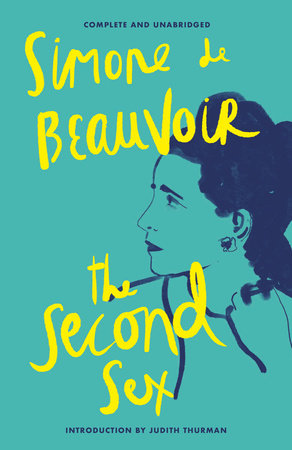
The Second Sex
Le Deuxième SexeSimone de Beauvoir’s 1949 feminist study examines how biology, history, work, sexuality, and cultural myths shape women’s lived situation. Its account of becoming, embodiment, and freedom remains influential - and demands critical reading across race, class, colonial history, and gender diversity.
- Existentialist Feminism
- Second Wave Feminism
- Patriarchy Critique
Second Manifesto on Disabled Women’s Rights
EDF’s 2011 manifesto connects legal capacity, community life, sexual rights and leadership, exposing tensions between support and substitute decisions.
- Disability Justice
- Feminist Disability Studies
- Reproductive Autonomy

I Will Follow
If you can't get something done, do it yourself. Ava DuVernay took this adage to heart and wrote, directed, produced, and financed this family drama about a woman grieving the death of a loved one. It made just a blip on the box office radar, but her debut feature offers a peek at the woman behind the camera.
- Black Feminism
- Economic Empowerment
- Feminist Art
Blackening Feminism
Carneiro connects labor, beauty and reproductive autonomy to ask whose experience defines women’s oppression and how antiracism changes feminist politics.
- Black Feminism
- Intersectional Feminism
- Labor Rights
Changing the Framework: Disability Justice
Mia Mingus explains why social justice movements must move from treating disability as an individual problem or single-issue rights concern toward understanding it as political experience, community history, and a framework for collective liberation.
- Disability Justice
- Social Justice
- Community Activism

Feminist Security Studies
Annick T. R. Wibben uses narrative analysis to show how security stories define threats, authorize responses, and exclude situated experiences.
- Feminist Security Studies
- Feminist Epistemology
- War and Peace