Life Writing
Explore curated feminist content about Life Writing
- 007
- 7 items
- 06
- Connection paths
Connection paths
Adjacent topics
Media composition
Read along this issue
7 · Life Writing
Books
View all
Books · Feb 2023
The Sex Lives of African Women
Nana Darkoa SekyiamahThrough first-person stories, Nana Darkoa Sekyiamah explores how desire, religion, queer life, trauma, and community shape sexual freedom across African and diasporic contexts.
02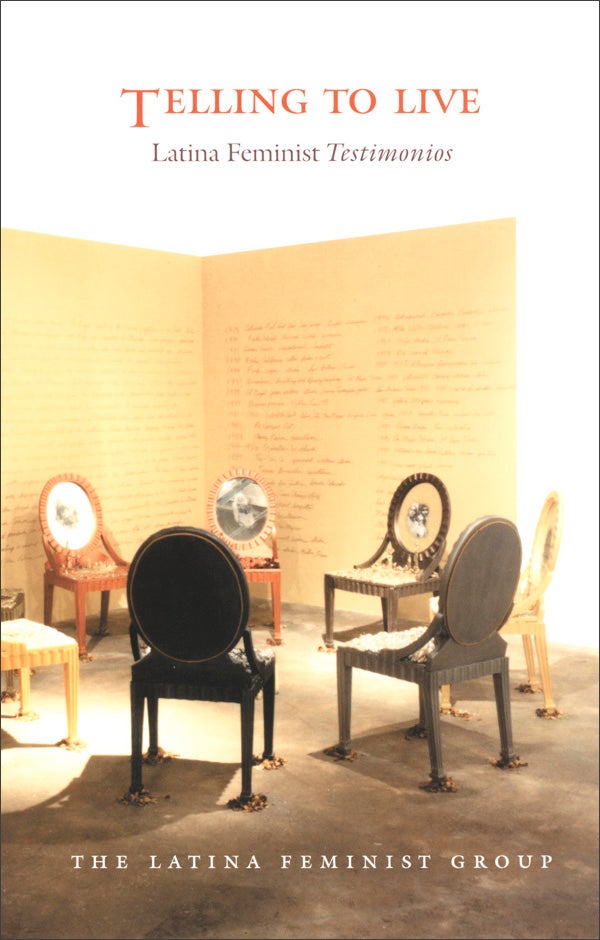
Books · Sep 2001
Telling to Live: Latina Feminist Testimonios
The Latina Feminist GroupA Latina feminist collective uses testimonios to connect life stories, academic institutions and collaborative knowledge without erasing differences.
03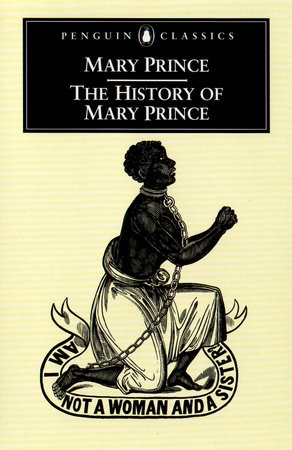
Books · Feb 2001
The History of Mary Prince, a West Indian Slave
Mary PrinceMary Prince’s 1831 narrative links enslavement to bodily labor, family separation, marriage, and constrained freedom, while its editorial framing raises questions about testimony and authority.
04
Books · Jan 1861
Incidents in the Life of a Slave Girl, Written by Herself
Harriet A. JacobsWriting as Linda Brent, Harriet Jacobs shows how slavery governed Black women's bodies, motherhood, and family - and how concealment, labor, and authorship became means of survival and testimony.
05
Books · Jan 1850
The Narrative of Sojourner Truth
Sojourner Truth (dictated); Olive Gilbert (transcriber)This 1850 dictated narrative follows Truth’s escape from slavery in New York, her pursuit of a son illegally sold south, and her efforts to claim authority through religious interpretation and public speech.
Articles
Articles · Jul 2020
The First Slave Narrative by a Woman: The History of Mary Prince
Sara PennSara Penn uses Mary Prince’s 1831 testimony to examine feminist bibliography: how genre labels, collaborative authorship, and archival gaps shape who can be read.
02Articles · Jan 2015
Histories of the Self: Women's Diaries in Heian Japan
Sonja ArntzenSonja Arntzen reads three Heian women's diaries through poetry, marriage, court labor, and reading, showing how literary form shaped self-writing while exposing questions of class and representation.