African Feminism · Screening
How I Found My Voice Through Feminism
Zambian Feminists founder Situmbeko Wambulawae considers how feminism can make space for women and girls to share sensitive experiences and find connection.
Screening notes
In her TEDxLusaka talk “How I found my voice through feminism,” Zambian Feminists founder Situmbeko Wambulawae begins from the impetus of the Me Too movement’s global spread in 2017: cultural norms across generations shape how women choose to share their experiences. TED’s description says she is interested in feminism as a safe, inclusive space to discuss sensitive issues affecting women and girls, and in the connections that can emerge among their stories. Wambulawae is a Zambian journalist, writer, poet and feminist. That location matters: although the talk’s published description speaks about women and girls in Africa, it should not be read as one account of women’s lives across an entire continent.
“Finding your voice” is often packaged as an inspirational story of an individual overcoming shyness. The talk’s description shifts attention toward the conditions that make voice possible: whether a space exists for difficult subjects, who listens, and how individual accounts can become shared knowledge. Feminism here is not only encouragement to speak; it also involves building ways for experiences to be expressed, understood and met without immediate condemnation. Wambulawae’s work through the online movement Zambian Feminists connects “voice” to organizing, media and public conversation rather than treating it only as an individual psychological change.
The theme leaves useful questions to carry into the talk: how can a safe space be built without pressuring people who have been harmed to disclose more? How can stories be heard without fixing the speaker as evidence of trauma? These are FemRes questions prompted by the subject, not examples attributed to Wambulawae. Stories can open conversation, but they cannot substitute for care, institutional change or sustained organizing. Read the talk alongside Titilope F. Ajayi’s reflection on African feminist futures. Both ask how feminist practice continues through stories and collective work, while differing in place, genre and method.
Talk and further reading

The work that makes all other work possible
Ai-jen Poo / 0:16
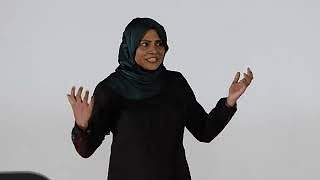
I Saw None, so I Built One: Women in the Tech Community
Aishath Adnan / 0:12

My fight for disability rights
Brigitte Mensah / 0:14

Collective care is the work
Janey Starling & Seyi Falodun-Liburd / 0:12
Reader responses
After the screening
Share your response or add another moving-image thread worth following.
Join the Discussion
Loading comments...
Support Us
If you find our content valuable, please consider supporting FemRes.