Black Feminism · Screening
Confessions of a Bad Feminist
Roxane Gay distinguishes rejecting feminist perfection tests from taking responsibility for contradictory choices in popular culture and everyday life.
Screening notes
Does enjoying a catchy song that demeans women disqualify someone from seeking equality? In her 2015 “Confessions of a bad feminist”, Roxane Gay humorously acknowledges inconsistency without making confession the endpoint. The talk moves from fearing the feminist label toward claiming it, then asks what responsibility follows.
Pink, fashion and popular entertainment expose an implicit demand for one approved feminist taste and lifestyle. Every discordant pleasure becomes potential evidence against a woman. Such perfection can make people withdraw for fear of failing, while institutional equality becomes a repeated trial of individual preferences.
Imperfection does not cancel accountability
Gay uses the grading of Beyoncé’s feminism after her public embrace of the term as an example. Why must an adult woman’s identification continually await certification? This does not place public figures beyond criticism. It distinguishes examining behavior from an impossible qualification test. If finding one contradiction always cancels membership, collective politics repeatedly returns to deciding who may enter.
The talk then explicitly addresses consumption. Listening to degrading music helps create demand; admitting enjoyment does not remove its consequences. A more inclusive starting point and accountability belong on one path. Someone can participate imperfectly and still work to change. Gay also names editors, producers, corporate leaders and lawmakers, locating larger decisions beyond an individual shopping basket.
The ending shifts from jokes to violence, writing and recovering a voice. “Bad” becomes more than a clever label: it concerns whether someone may enter politics with vulnerability and history intact. Public disclosure of injury should not become another compulsory demonstration of sincerity for every feminist.
Remembering only permission to enjoy popular culture would erase the accountability argument. Remembering only consumer choice would underestimate organizing and policy. Bad Feminist develops a wider field of cultural criticism. The study of low-promotability tasks relocates expectations of the good woman within workplace allocation. They distinguish personal contradiction, moral discipline and institutional incentives, instead of treating a flawless individual as the unit of feminist change.

The Power of Women’s Anger
Soraya Chemaly / 11:34

2010s Pop Feminism: A Painful Look Back
Lily Alexandre / 1:12:04

Me Too is a movement, not a moment
Tarana Burke / 16:05
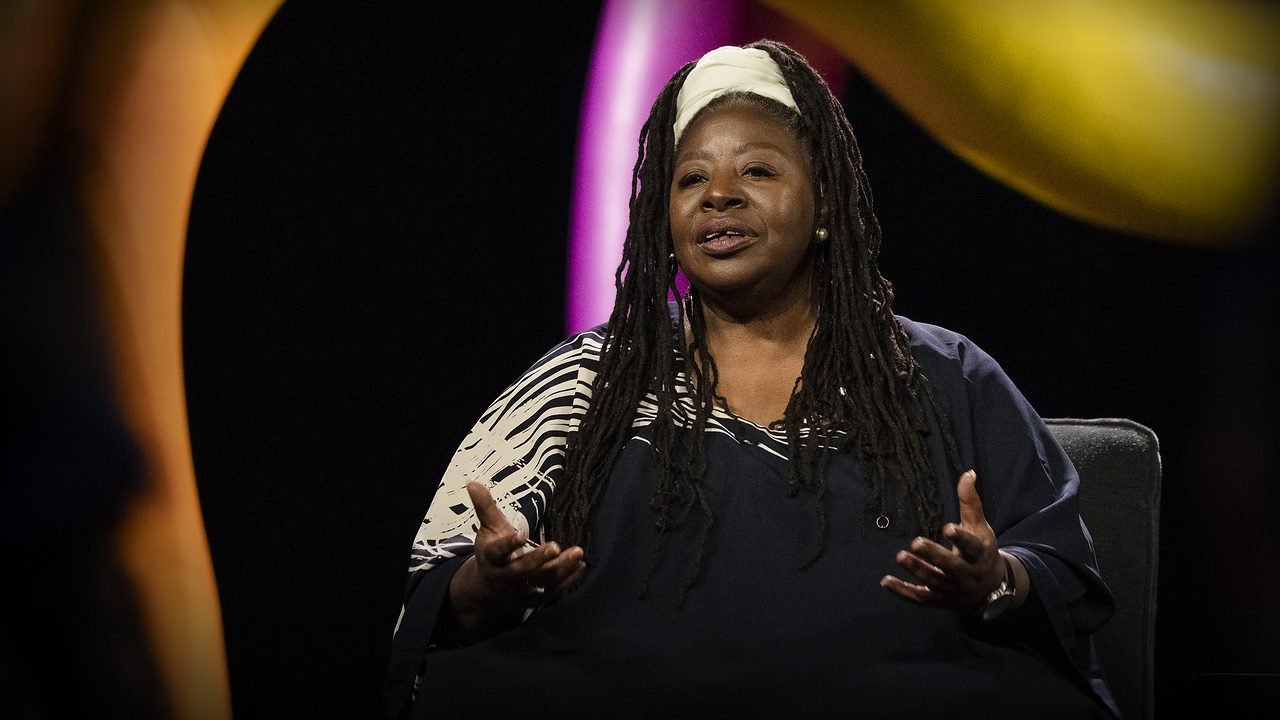
Don't call people out -- call them in
Loretta J. Ross / 14:04
Explore another medium
- Books
Bad Feminist
Roxane Gay
A collection of essays that explores the complexities of contemporary feminism with humor and honesty, acknowledging that feminists can be contradictory and imperfect.
Pop Culture Feminism - Papers
Tasks with Low Promotability
Linda Babcock; Maria P. Recalde; Lise Vesterlund; Laurie Weingart
Babcock and colleagues separate volunteering, requests and acceptance to explain how organizationally useful work can become unequally allocated.
Reader responses
After the screening
Share your response or add another moving-image thread worth following.
Join the Discussion
Loading comments...
Support Us
If you find our content valuable, please consider supporting FemRes.