Religion and Gender · Screening
When People of Muslim Heritage Challenge Fundamentalism
Karima Bennoune presents local resistance through an Algerian family, Pakistani theatre and a young law student’s refusal to abandon education.
Screening notes
News circulates extremists’ names while the people resisting them often remain faceless. In her 2014 talk, Karima Bennoune begins with threats against her father in Algeria, then describes people of Muslim heritage challenging fundamentalism. Their common ground is not one religious practice but the defense of education, art, rights and ordinary life within their own circumstances.
Culture is not a minor issue outside conflict
The Peerzada family’s theatre work in Pakistan supplies a concrete example. Threats, an attack and sponsors withdrawing over security risks make continued performance more than a matter of personal courage. Audiences returning with their children also help sustain public space. Supporting this work requires attention to money, venues and safety, beyond circulating an inspiring narrative.
Bennoune also tells the story of Algerian law student Amel Zenoune-Zouani, who refused to abandon her studies and was murdered. Ambition, family and learning keep her visible as a person rather than only a victim icon. The danger does not entitle viewers to require the same sacrifice from everyone facing related restrictions.
Refusing two forms of silence
Bennoune challenges the refusal to support local resistance because Western policy is also flawed. Criticism of intervention and opposition to local coercion can coexist. Reducing Muslim societies to extremism, or treating fundamentalism as an uncriticizable local culture, both obscure people already acting within those societies.
The talk develops a human-rights argument through interviews and stories, not a claim that all people of Muslim heritage share one politics. Testimony requires attention to difference and safety. Outside visibility can also create risk, so solidarity cannot be measured only by whether the observer feels courageous.
The feminist question concerns who controls education, bodies, expression and public participation, rather than choosing a religious or secular camp in advance. Abu-Lughod’s critique of rescue rhetoric examines the outside savior’s position. El Feki’s talk on sex and sensuality explores other possibilities in local histories. Together they keep criticism and solidarity accountable to particular lives instead of letting another grand narrative speak in their place.

A Little-Told Tale of Sex and Sensuality
Shereen El Feki / 15:56

The Attitudes That Sparked the Arab Spring
Dalia Mogahed / 14:15
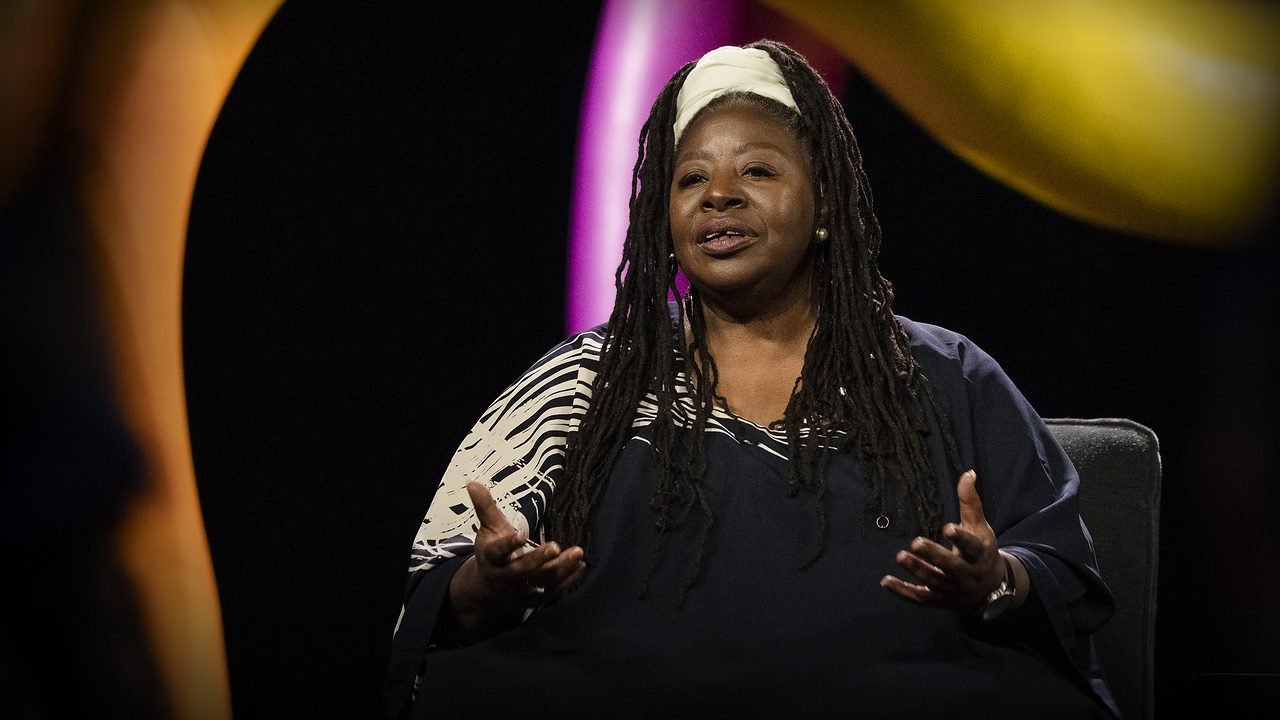
Don't call people out -- call them in
Loretta J. Ross / 14:04
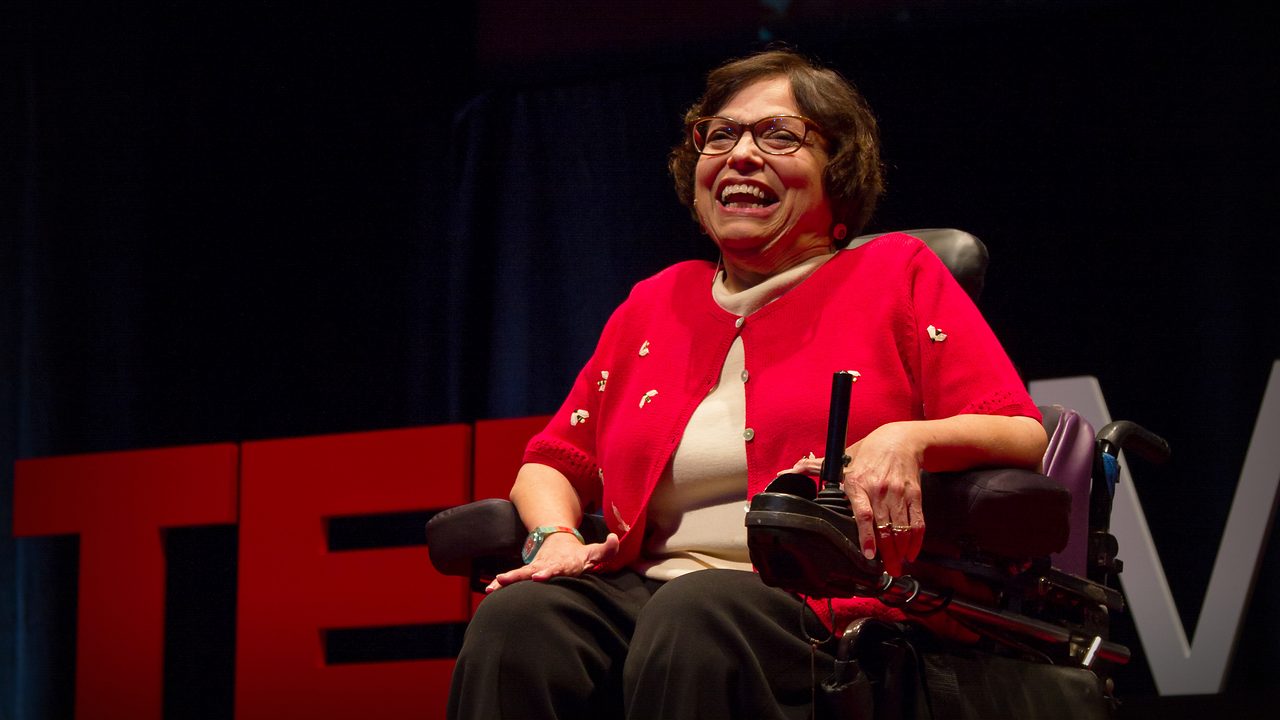
Our fight for disability rights — and why we're not done yet
Judith Heumann / 17:00
Explore another medium
- Papers
Do Muslim Women Really Need Saving?
Lila Abu-Lughod
Lila Abu-Lughod examines rescue rhetoric around Afghanistan, connecting cultural difference to political history and responsibilities for global injustice.
Religion and Gender - Articles
Women, Peace and Security: Resolution 1325
United Nations Security Council
Resolution 1325 connects women’s protection to participation in negotiation and reconstruction, while representation still requires scrutiny of resources and power.
Human Rights · Political Participation
Continue through the issues
Reader responses
After the screening
Share your response or add another moving-image thread worth following.
Join the Discussion
Loading comments...
Support Us
If you find our content valuable, please consider supporting FemRes.