Bodily Autonomy · Screening
Why Iranians are cutting their hair for ‘Woman, Life, Freedom’
Iranian-British journalist and filmmaker Sahar Zand reflects on memory and explains how hair-cutting became a visible gesture of mourning and solidarity in the Woman, Life, Freedom movement.
Screening notes
Sahar Zand’s talk begins with a childhood memory: she wondered whether life might be easier if she had been born a boy. That question places an intimate recollection within wider gendered expectations and gives her an entry into the Woman, Life, Freedom movement. After Mahsa Jina Amini’s death in 2022, images of women cutting their hair became a visible gesture of mourning and defiance. Hair is usually treated as a private part of the body; cutting it and making the act public turns everyday bodily regulation into a political answer to the question of who gets to prescribe women’s bodies.
The gesture’s strength is that it can be seen, repeated and shared. Yet its visibility can also flatten the movement. Hair-cutting is not a universal act among Iranian women, nor a complete program for political change. If international coverage sees the movement only through a set of striking images, questions of education, work, law, economic inequality and generational difference can fall outside the frame. Zand’s talk helps explain how a symbol travels; it should not be treated as a unified statement by every participant.
As an Iranian-British journalist and documentary filmmaker, Zand works across Iranian experience, international news and diasporic communities. Cross-border solidarity can use that visibility to circulate information, but it must also ask: who bears the risks of protest, who decides which stories are reported, and how can diasporic communities support rather than replace the voices of people inside Iran? Keeping those questions in view helps prevent resistance from becoming an inspirational story made for outside consumption.
The talk is therefore about more than hair. It points to bodily autonomy as entangled with public life, state power and collective organizing. “Woman, Life, Freedom” cannot be reduced to a single question of appearance; hair-cutting is one way the struggle became momentarily legible. For another discussion of how Muslim women are reduced to assumptions about visible religious dress, see Yassmin Abdel-Magied’s talk on the headscarf and stereotypes, while keeping Iran’s specific political context distinct.
Talk and further reading
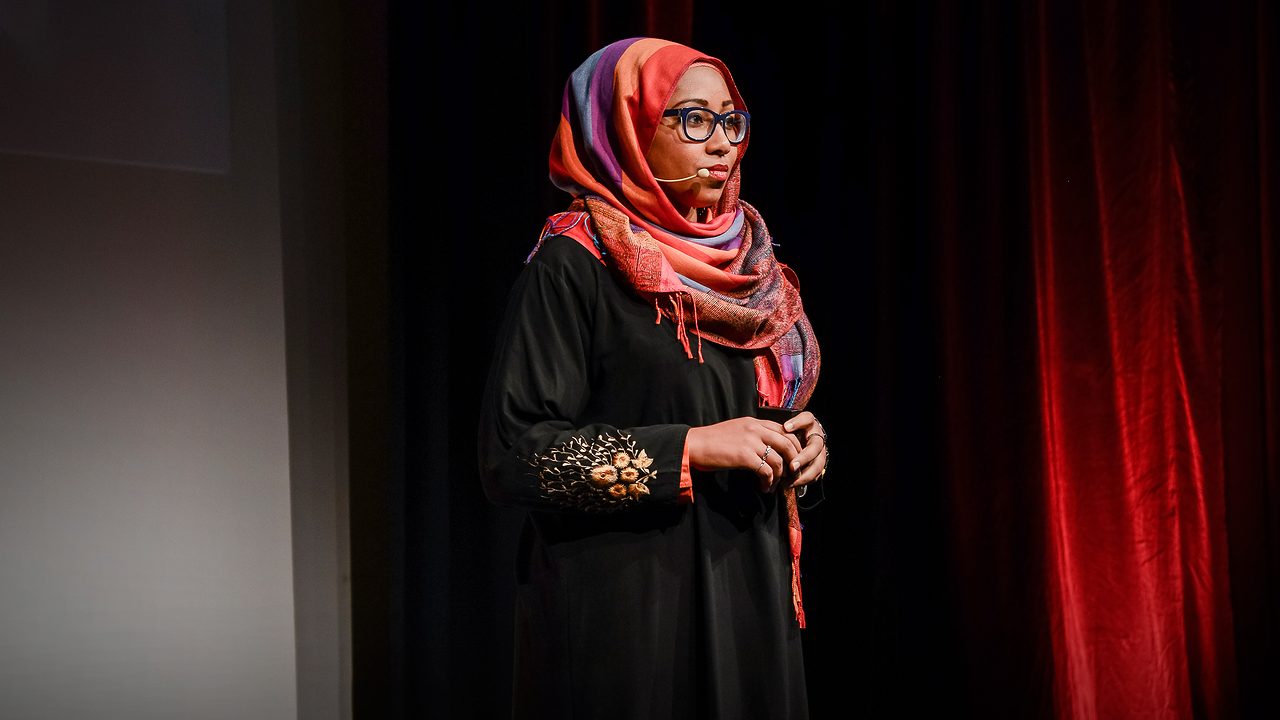
What does my headscarf mean to you?
Yassmin Abdel-Magied / 13:52
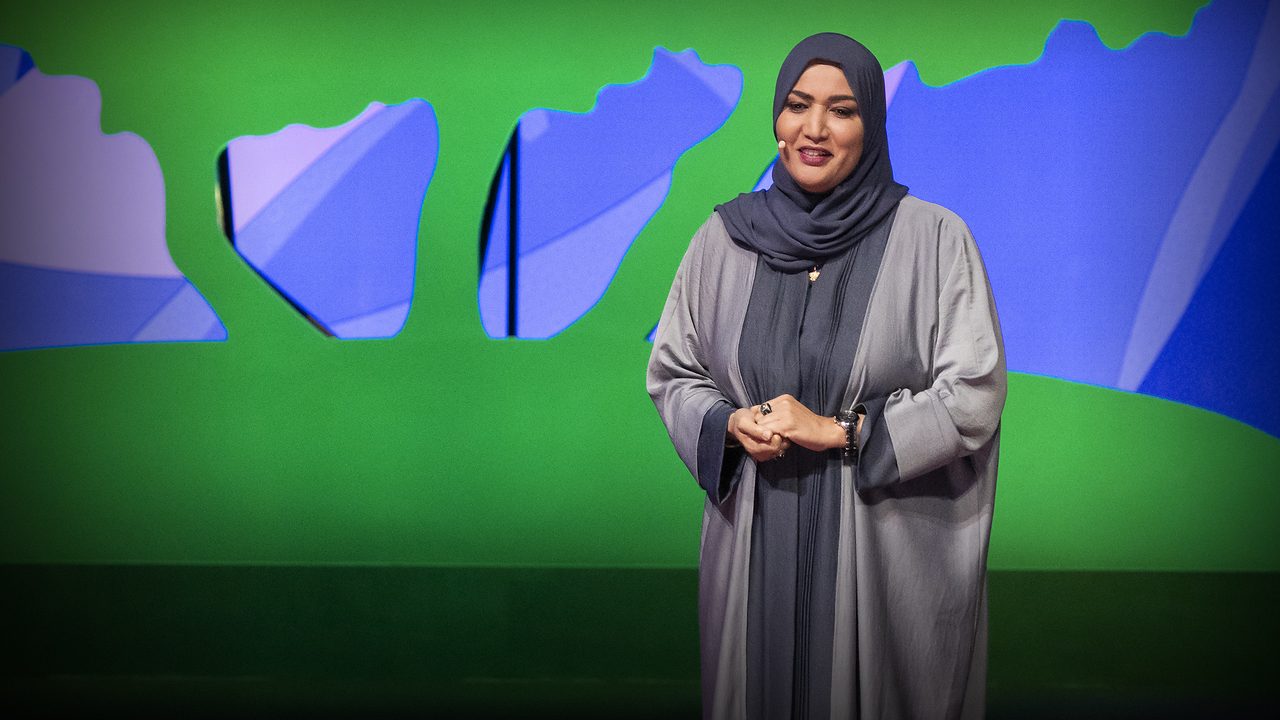
Everyone has a role to play in putting women on the political map
Rafiah Al Talei / 15:33

A Saudi Woman Who Dared to Drive
Manal al-Sharif / 14:02

The Attitudes That Sparked the Arab Spring
Dalia Mogahed / 14:15
Explore another medium
- Books
Normal Women
Philippa Gregory
New York Times bestselling historical novelist Philippa Gregory's magnum opus—a groundbreaking feminist nonfiction milestone that radically redefines the extraordinary role ordinary women played in British history. Did you know there are more penises than women in the Bayeux Tapestry? That the 1381 Peasants' Revolt was a tax protest started by women? That Darwin believed women would evolve to become inferior? For the first time, placing women—50% of the population—at center stage of 900 years of English history.
Social Movements · Political Participation - Books
The Myth of the Vaginal Orgasm
Anne Koedt
One of the most significant and controversial essays of second-wave feminism, published in 1968. It dismantles the myth of the 'mature female sexual response' as defined by Freudian psychoanalysis and argues, both scientifically and politically, for the importance of the clitoris as the true source of female physical pleasure. A historical manifesto for the struggle for bodily and sexual autonomy.
Bodily Autonomy · Social Movements
Continue through the issues
Related theme · No. 09
Who is allowed to desire?
Beginning with The Right to Sex, we ask whose desire is treated as natural and whose requires moral permission. Power shapes desire, but desire gives nobody a claim to another person’s body. Attraction, love, solitude and care have no single answer. Across sexual hierarchies, erotic writing, asexuality and situated experiences, we make room for exploration, uncertainty, refusal and a change of mind.
Bodily Autonomy · Gender Politics
Related theme · No. 03
Who gets to define the body?
From discipline and ageing to the internalised gaze, this issue follows the forces that watch, name and reclaim the body.
Bodily Autonomy
Reader responses
After the screening
Share your response or add another moving-image thread worth following.
Join the Discussion
Loading comments...
Support Us
If you find our content valuable, please consider supporting FemRes.