Who decides the future of the land?
Land is priced and forests logged, yet the work sustaining life is often treated as a free backdrop. Starting with Feminism and the Mastery of Nature, this issue connects food, caste, Indigenous sovereignty and climate risk. Women are not natural guardians: can they control resources, refuse added burdens and shape the conditions of shared life? Thirty resources bring ecological questions back to particular relations of power.
In this issue
30 items
Books10
Books · Dec 1993
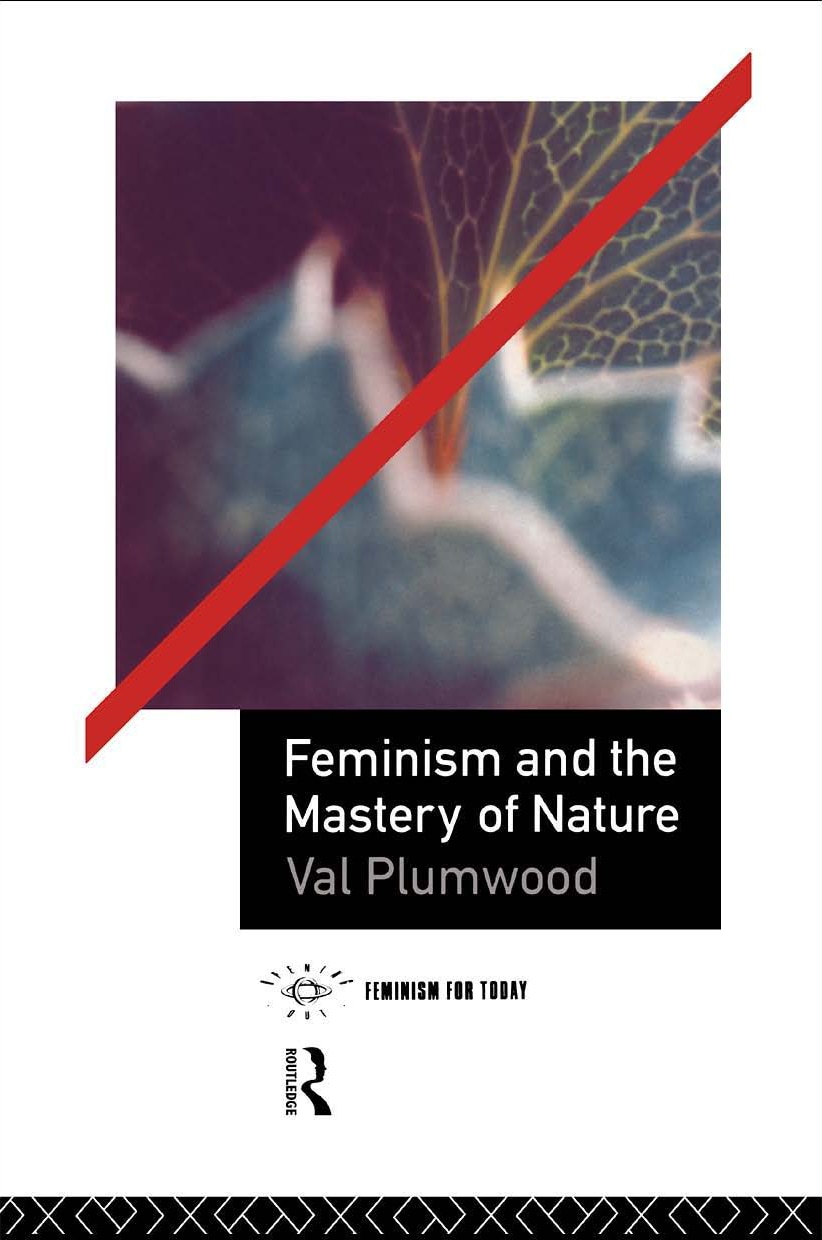
Feminism and the Mastery of Nature
Val PlumwoodVal Plumwood dissects the masterful dualisms of Western philosophy, showing how human/nature, reason/body, and man/woman turn dependency into a warrant for control.
02
Books · Jan 2014
Ecofeminism
Maria Mies and Vandana ShivaMaria Mies and Vandana Shiva link patriarchal capitalism, colonial development, unpaid labor, and ecological harm, proposing subsistence beyond endless growth.
03
Books · Jan 2007
Turning the Pot, Tilling the Land
Kancha IlaiahKancha Ilaiah’s illustrated book for young readers revalues knowledge devalued by caste; Durgabai Vyam’s art is integral to its argument.
04
Books · Nov 2018
A Billion Black Anthropocenes or None
Kathryn YusoffKathryn Yusoff critiques Anthropocene narratives that erase slavery, extraction, and racialized geologic violence behind an abstract “humanity.”
05
Books · Jan 2022
Fresh Banana Leaves
Jessica HernandezDrawing on Maya Ch’orti’ and Binnizá family memory, environmental science, and community cases, Jessica Hernandez critiques ecocolonialism and reimagines stewardship through Indigenous science.
06
Books · Jan 2021
The Mushroom at the End of the World
Anna Lowenhaupt TsingAnna Lowenhaupt Tsing follows matsutake ecology and trade to show how war, migration, and capital shape precarious livelihoods - and how life persists through damaged landscapes.
07
Books · Oct 2015
Soil Not Oil
Vandana ShivaVandana Shiva connects industrial agriculture, fossil fuel dependence, and climate crisis, centering small farms, seed diversity, and food sovereignty.
08
Books · Nov 2020
Undrowned
Alexis Pauline GumbsAlexis Pauline Gumbs learns Black feminist survival from marine mammals, linking breath, sound, collective protection, and ecological crisis.
09
Books · Dec 2019
Climate Justice
Mary RobinsonMary Robinson connects stories from Uganda, Mississippi, and the Pacific to climate justice, gendered labor, migration, human rights, and political voice.
10
Books · Apr 2020
A Field Guide to Climate Anxiety
Sarah Jaquette RaySarah Jaquette Ray writes for the climate generation about anxiety, burnout, action, and resilience, bringing emotional labor into climate education.
Films2

Films · Jul 2000
The Gleaners and I
Les Glaneurs et la GlaneuseAgnès VardaVarda connects discarded food, her aging body and digital filming, asking who defines value and why intimacy must still acknowledge unequal power.
02
Films · Jan 2023
Banel & Adama
Banel e AdamaRamata-Toulaye SyRamata-Toulaye Sy’s Pulaar-language fable joins a woman’s refusal of prescribed motherhood to love, communal duties and the troubling power of myth.
Videos2
Videos · Nov 2021
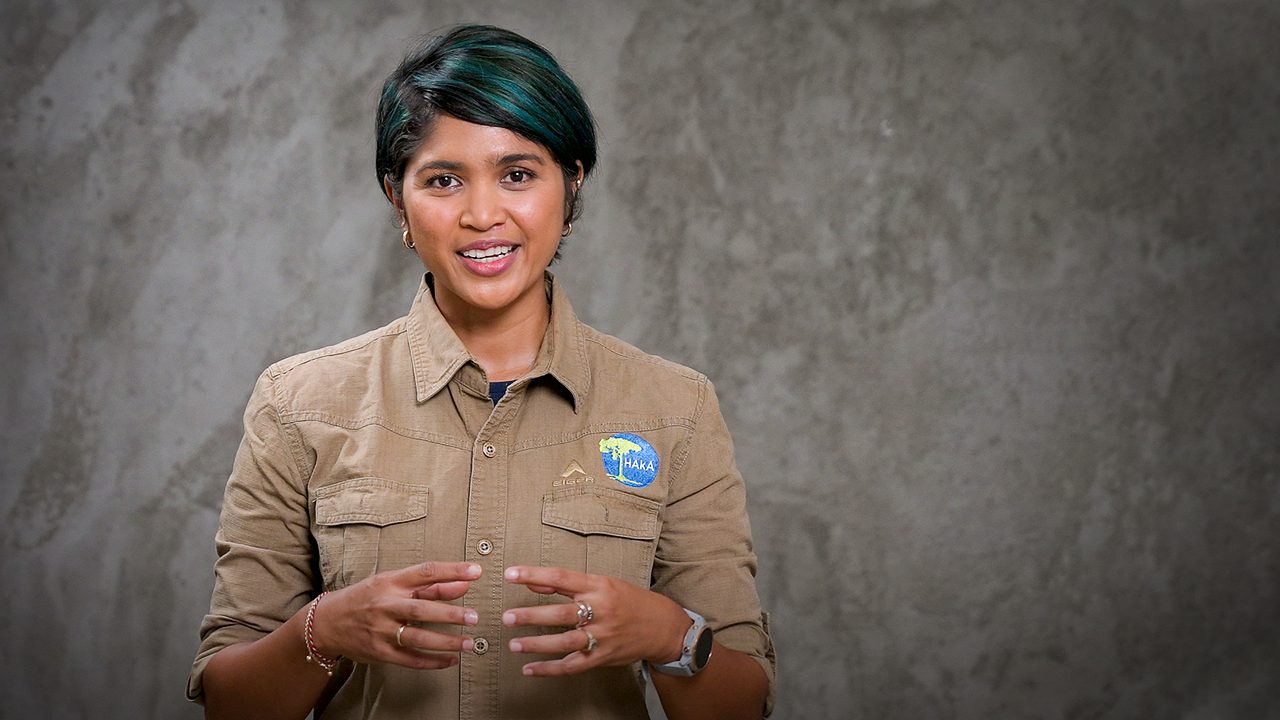
The powerful women on the front lines of climate action
Farwiza FarhanIndonesian conservationist Farwiza Farhan shows how women rangers in Aceh use local knowledge, collective patrols and community forestry permits to protect the rainforest and water their village depends on.
02
Videos · Apr 2018
The Standing Rock Resistance and Our Fight for Indigenous Rights
Tara HouskaAnishinaabe attorney and organizer Tara Houska places resistance to the Standing Rock pipeline in a longer history of Indigenous land, sovereignty and cultural continuance, challenging accounts that reduce environmental struggle to a single protest.
Podcasts1

Articles10
Articles · Jan 2010
Community Feminism through Body and Land
Lorena CabnalCabnal connects land defense with bodily autonomy while challenging internal patriarchy, compulsory heterosexuality and idealized ancestral traditions.
02Articles · Aug 2011
Food Sovereignty: Exploring Debates on Development Alternatives and Women’s Rights
Pamela CaroPamela Caro reads food sovereignty through peasant organizing and feminism, asking who controls land and seeds - and how recognizing rural women’s work can avoid fixing gendered divisions of labor.
03Articles · Dec 2015
It is work, not help: women in agroecology
Vanessa Schottz, Maitê Maronhas, Elisabeth CardosoBrazilian organizers show why making women's farm work visible must also change household responsibility, access to credit and time for collective action.
04Articles · Jan 2020
Women’s Rights to Land and Productive Resources
UN Women; Office of the United Nations High Commissioner for Human RightsA UN guide maps the legal standards and practical barriers shaping women’s rights to own, use, control and inherit land and other productive resources.
05Articles · Apr 2023
The Status of Women in Agrifood Systems
Food and Agriculture Organization of the United NationsFAO traces women’s work across food production, processing, distribution and consumption, connecting unequal resources, wages, care and shocks.
06Articles · May 2025
Women in Agrifood Systems in Latin America and the Caribbean
Food and Agriculture Organization of the United NationsFAO’s 2025 regional report shows why women’s growing presence in agrifood work must be read alongside unequal resources, care burdens and decision-making power.
07Articles · Mar 2024
Women in Fisheries in the Mediterranean and Black Sea
Eugenia Merayo; Valeriia Vakhitova; Anna CarlsonA FAO - GFCM study traces women’s work across the fisheries value chain and shows how gaps in official data can reproduce their exclusion.
08Articles · Jan 2010
Gender Dimensions of Agricultural and Rural Employment
FAO; IFAD; ILOA joint FAO, IFAD and ILO report asks how gender shapes paid and unpaid work on and off farms - and what decent rural employment requires.
09Articles · Nov 2015
Black Women's March Declaration (2015)
Marcha das Mulheres NegrasBrazil's Black Women's March turns Bem Viver into demands about life, safety, land, work and media power, asking who defines equality and controls its implementation.
10Articles · Dec 1993
Zapatista Women’s Revolutionary Law
Ejército Zapatista de Liberación Nacional (EZLN)The Zapatista law joins women’s public authority to bodily and household autonomy, making internal gender relations part of the revolutionary struggle itself.
Papers5
Papers · Apr 1992
The Gender and Environment Debate: Lessons from India
Bina AgarwalBina Agarwal grounds gender and environmental politics in rural India's unequal access to land, forests, water, labor, and decision-making - rather than an assumed female affinity with nature.
02Papers · Oct 2009
A Stranger Silence Still: The Need for Feminist Social Research on Climate Change
Sherilyn MacGregorSherilyn MacGregor argues that climate research cannot be gender-neutral: its framing, everyday effects, and policy responses all require feminist social analysis.
03Papers · Jun 2011
Virtue and Vulnerability
Virtue and Vulnerability: Discourses on Women, Gender and Climate ChangeSeema Arora-JonssonArora-Jonsson critiques two recurring climate narratives: women as especially vulnerable and women as naturally more virtuous environmental actors.
04Papers · Jan 2023
Sem Terra women: work and agroecology
Histórias de vida de mulheres Sem Terra: divisão sexual do trabalho na agroecologiaCristiane Coradin, Sônia Fátima SchwendlerOral histories from Paraná show how agroecological income can expand women's autonomy while unequal domestic work erodes rest and political participation.
05Papers · Jul 2018
Climate change and women's health: Impacts and policy directions
Cecilia Sorensen, Virginia Murray, Jay Lemery & John BalbusSorensen and colleagues trace gendered climate - health risks and propose linking health, gender, energy and disaster policy through participation and shared indicators.