Disability Justice · Screening
Our fight for disability rights — and why we're not done yet
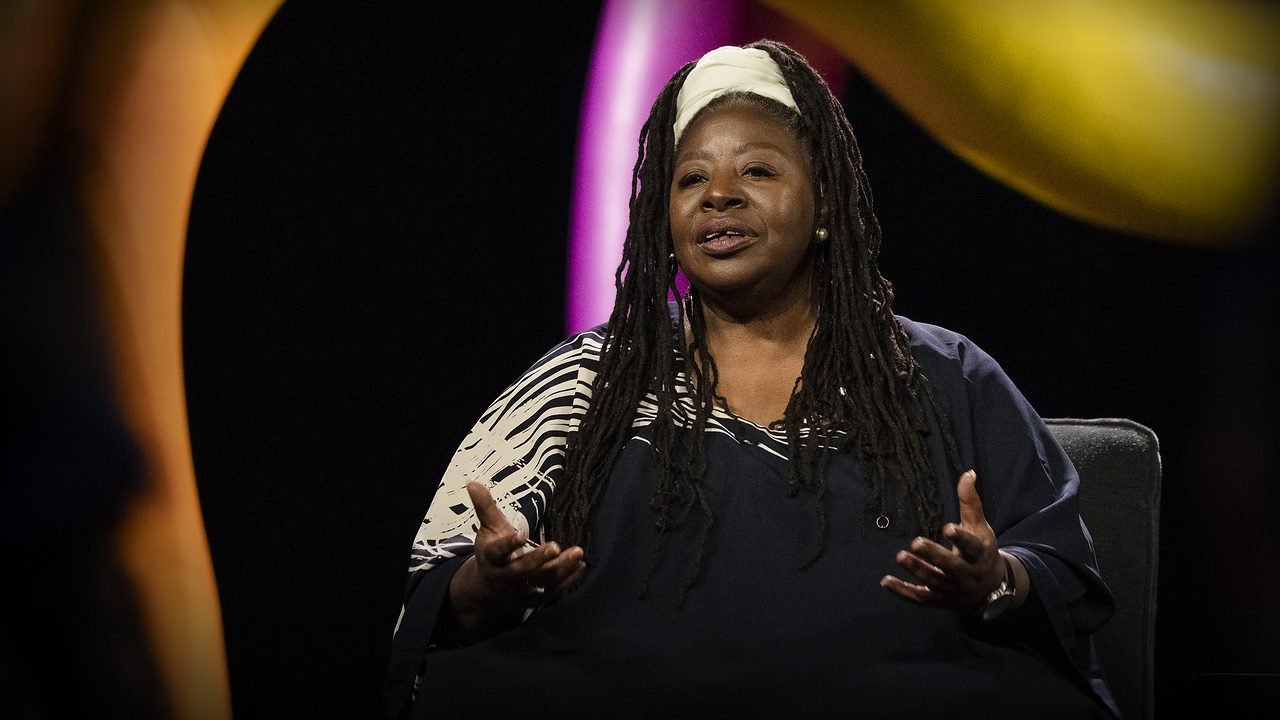
Judith Heumann connects her struggle for education and public participation with the Section 504 protests, showing how collective organizing turns a legal promise into an enforceable right.
Screening notes
Judith Heumann links her childhood exclusion from public school to the collective struggle that shaped the disability-rights movement. That connection resists the familiar triumph narrative in which one determined person overcomes adversity. If the story ends with individual courage, schools, regulations, and public institutions disappear from view. The political question is not whether a disabled person can adapt to an unchanged environment, but who designed that environment, whom it treats as the default user, and who is responsible for changing it.
The talk’s historical hinge is Section 504 of the Rehabilitation Act. The law prohibited disability discrimination in federally funded programs, but a right written into statute did not produce implementing rules by itself. The National Park Service’s account of the 1977 Section 504 protest describes disabled activists occupying a San Francisco federal building for 26 days to press the government to issue long-delayed regulations. People from different disability communities sustained the action. Staying there also required practical arrangements for transport, food, medication, communication, and access. Persistence was both a political stance and organized, everyday care work.
Heumann is a crucial witness to this history, not a solitary hero who changed policy alone. The protest drew strength from collaboration across bodies and experiences, and from disabled people’s authority to define the conditions of their own lives. This history resonates with feminist analyses of care: care is not merely private kindness but public infrastructure that determines who can attend, remain, speak, and act. Calling care infrastructure also keeps us from romanticizing the labor that made collective action possible as effortless solidarity.
The title’s insistence that the fight is unfinished prevents the Section 504 victory from being mistaken for completed equality. Legal recognition, practical access, and everyday autonomy are not the same thing. A program may be formally open while inaccessible transport, communication, or space still restricts participation. This TED talk is an activist’s retrospective, not a comprehensive assessment of every current accessibility policy. Read it alongside Care Work: Dreaming Disability Justice: the talk shows how collective action won rights, while the book extends questions of care, interdependence, and disability justice into daily life and political imagination.
Talk and further reading

My fight for disability rights
Brigitte Mensah / 14:04
Don't call people out -- call them in
Loretta J. Ross / 14:04

When People of Muslim Heritage Challenge Fundamentalism
Karima Bennoune / 19:51

Why Autism Is Often Missed in Women and Girls
Kate Kahle / 13:16
Explore another medium
- Books
Care Work: Dreaming Disability Justice
Leah Lakshmi Piepzna-Samarasinha
Leah Lakshmi Piepzna-Samarasinha frames disability justice as practical knowledge from sick and disabled queer, trans, Black, and brown communities, centering collective access, care webs, and liberation where no one is left behind.
Disability Justice - Articles
Second Manifesto on Disabled Women’s Rights
European Disability Forum
EDF’s 2011 manifesto connects legal capacity, community life, sexual rights and leadership, exposing tensions between support and substitute decisions.
Disability Justice · Feminist Disability Studies
Continue through the issues
Related theme · No. 08
Who sustains a revolution?
Beginning with a woman searching for her husband in Sambizanga, we follow the messages, care and organizing that sustain resistance. Across anticolonial struggle, labor and solidarity, who carries a revolution’s daily work—and who is left outside its promise of liberation?
Political Participation
Related theme · No. 14
Who defines peace?
From street vigils to peace talks, thirty works ask who sustains life during war and who gets to define peace.
Political Participation
Reader responses
After the screening
Share your response or add another moving-image thread worth following.
Join the Discussion
Loading comments...
Support Us
If you find our content valuable, please consider supporting FemRes.