監獄フェミニズム
監獄フェミニズムに関する厳選されたフェミニズムコンテンツを探索
- 016
- 16件
- 06
- 関係の経路
関係の経路
隣接する論点
資料の構成
論点から読む
16 · 監獄フェミニズム
書籍
すべて見る
書籍 · 2022年8月
警察はいらない:廃止のための論拠
No More Police: A Case for AbolitionMariame Kaba, Andrea J. Ritchie『警察はいらない』は安全を罰的制度から切り離し、サバイバー支援・ケア・制度改革による転換的安全へと再設計する、廃止主義フェミニズムの主要論考である。
02
書籍 · 2022年1月
廃止。フェミニズム。いま。
Abolition. Feminism. Now.Angela Y. Davis, Gina Dent, Erica R. Meiners, Beth E. Richie本書は、廃止フェミニズムを有色女性、クィア、反資本主義、国際主義、草の根運動の歴史からたどる共同著作である。『廃止。フェミニズム。いま。』の三つの短い言葉は、主張であると同時に、消されてきた歴史の名を取り戻す試みである。
03
書籍 · 2020年7月
別名の監獄:人気ある改革の有害な帰結
Prison by Any Other Name: The Harmful Consequences of Popular ReformsMaya Schenwar, Victoria Lawマヤ・シェンワーとヴィクトリア・ロウは、電子監視、在宅拘禁、強制治療が監獄の外に処罰と統制を広げる仕組みを検証する。
04
書籍 · 2020年5月
障害を脱収監化する:脱施設化と監獄廃止
Decarcerating Disability: Deinstitutionalization and Prison AbolitionLiat Ben-Mosheリアット・ベン=モシェは脱施設化の歴史と監獄廃止を結びつけ、施設閉鎖が大量収監を招いたという説明を問い直す。
05
書籍 · 2019年3月
私たちすべての裁き
Emily L. ThumaEmily L. Thuma は 1970 年代から 1980 年代初頭に、刑事化された女性と黒人、クィア、囚人、精神医療サバイバーの運動が築いた反監禁・反暴力政治を再構成する。
06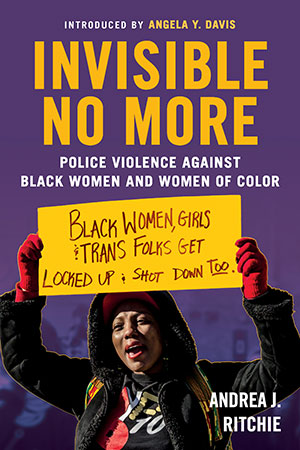
書籍 · 2017年8月
もう見えない存在ではない
Invisible No More: Police Violence Against Black Women and Women of ColorAndrea J. RitchieAndrea Ritchie は、黒人女性、先住民女性、移民女性、性労働者、トランス女性への警察暴力が公共の物語から消される過程を記録する。
映画

論文
論文 · 2019年5月
懲罰体制の漸進的浸透
The Carceral Creep: Gender-Based Violence, Race, and the Expansion of the Punitive State, 1973-1983Mimi E. KimMimi E. Kim は1973〜1983年の米国反DV運動を通して、法執行機関との協働が運動の自律性をどう変え、ジェンダー・人種・階級の語りが懲罰政策をどう正当化したかを追う。
02論文 · 2018年5月
監獄フェミニズムから変革的正義へ
From Carceral Feminism to Transformative Justice: Women-of-Color Feminism and Alternatives to IncarcerationMimi E. Kimミミ・E・キムは、米国の反暴力運動が刑事化と結びついた歴史をたどり、有色人種女性フェミニズムが示す修復的・変革的な代替策を論じる。
03論文 · 2007年12月
新しい廃止主義の性政治
The Sexual Politics of the New AbolitionismElizabeth BernsteinBernstein examines how contemporary anti-trafficking campaigns revive abolitionist vocabularies while aligning feminist, evangelical, and state actors around carceral responses to sexual commerce.