Who really has a reproductive choice?
Not having children, having them, and raising them with support: why are these freedoms so often separated? Starting with campaigns for abortion rights and against sterilization abuse, this issue connects journeys for care on film, Brazilian childbirth research, disabled people’s authority over decisions, and migrant mothers’ lives. Thirty resources ask what healthcare, time and public support can make a legal choice a real possibility.
In this issue
30 items
Books8
Books · Jan 2023
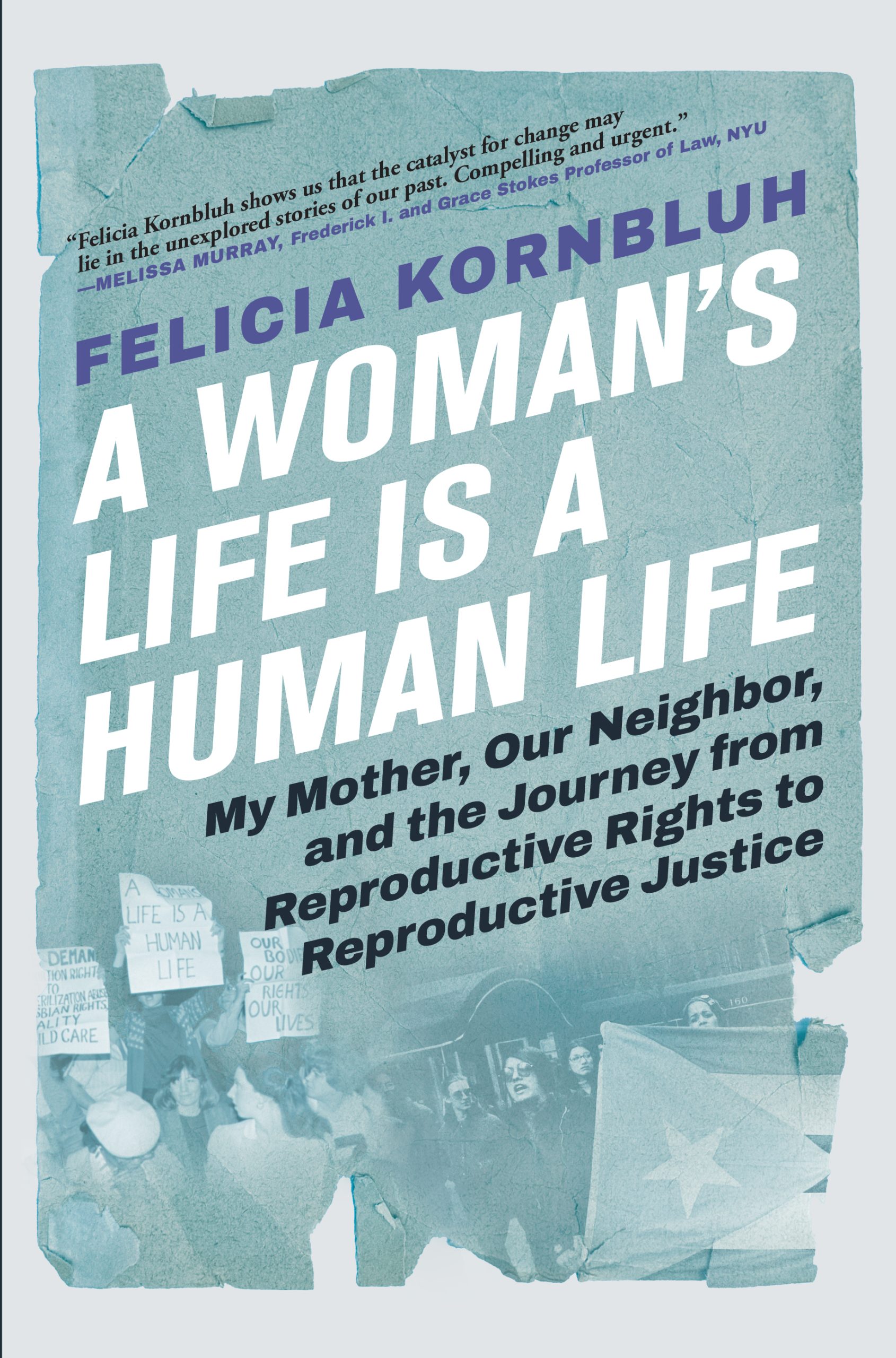
A Woman's Life Is a Human Life
Felicia KornbluhKornbluh links abortion rights and resistance to sterilization abuse, showing why reproductive autonomy includes the right to bear children.
02
Books · Jan 2001
Happening
L'ÉvénementAnnie ErnauxAnnie Ernaux revisits her 1963 illegal abortion through memory and writing, examining the body, law, class, and the silence surrounding the experience.
03
Books · Mar 2003
The Dialectic of Sex
Shulamith FirestoneA radical feminist masterwork proposing that technological revolution in reproductive control is key to women's liberation, offering a feminist transformation of Marxism.
04
Books · May 2013
Feminist, Queer, Crip
Alison KaferAlison Kafer's Feminist, Queer, Crip asks who gets included in feminist and queer futures, using disability, reproductive politics, environmental justice, and access to challenge ableist ideas of a 'better life.'
05
Books · Feb 2017
Brilliant Imperfection
Brilliant Imperfection: Grappling with CureEli ClareThrough disability, trans experience, eugenic history, and environmental restoration, Eli Clare dismantles the ideology of cure while preserving the necessary tension between medical need and refusal of normalization.
06
Books · Mar 2025
Precarious Motherhood
Rachel BenchekrounBenchekroun traces migrant mothers’ work, housing and support in London, showing how relationships enable belonging while creating new dependencies.
07
Books · Feb 2018
Feminism and the Politics of Childhood
Rachel Rosen and Katherine TwamleyRosen and Twamley’s collection asks how women’s and children’s justice can be pursued together, without erasing either carers’ labor or children’s agency.
08
Books · Jun 2021
Trans Medicine
stef m. shusterSociologist stef m. shuster traces trans medicine’s history and clinical practice, asking how authority forms under uncertainty and shapes access to gender-affirming care.
Films3

Films · May 2007
4 Months, 3 Weeks and 2 Days
4 luni, 3 săptămâni și 2 zileCristian MungiuIn 1987 Romania under Ceaușescu's dictatorship, college roommate Otilia helps pregnant Găbița seek an illegal abortion. This harsh and brutal realist masterpiece reveals the state's control over women's bodies and women's brave resistance for reproductive autonomy within the span of one night.
02
Films · Mar 2020
Never Rarely Sometimes Always
Eliza HittmanIn the wake of Roe v. Wade being overturned by the Supreme Court, Eliza Hittman's Never Rarely Sometimes Always is necessary viewing. A tiny independent film that topped critics' best-of lists, it's about a pair of friends who are forced to travel from their small Pennsylvania town to New York City in search of medical aid for an unwanted pregnancy.
03
Films · Dec 2021
Lingui, the Sacred Bonds
Lingui, les liens sacrésMahamat-Saleh HarounWhen her fifteen-year-old daughter seeks an abortion in N’Djamena, Amina discovers that survival depends on a clandestine network of women whose solidarity exceeds law, stigma, and kinship.
Videos2

Videos · Jan 2024
What Happens When We Deny People Abortions?
Diana Greene FosterDemographer Diana Greene Foster uses the Turnaway Study to examine how abortion denial can shape health, economic security and life trajectories, while the study’s design reminds us to read its findings within their limits.
02
Videos · May 2018
Ali Wong: Hard Knock Wife
Ali WongRecorded while Ali Wong was pregnant with her second child, this special uses breastfeeding, marriage and care work to question who pays for choices between family and career.
Podcasts2

Podcasts · Oct 2016
Childfree: Sterilized at 30
Catalina May & Martín Cruz / Las RarasFrancy Uribe’s story connects choosing not to have children with the relational costs of bodily autonomy.
02
Podcasts · Jun 2017
Eib
Sowt MediaSowt's Arabic storytelling podcast follows how shame and gender expectations shape care, desire and the possibilities of speaking about everyday life.
Articles9
Articles · May 2011
Second Manifesto on Disabled Women’s Rights
European Disability ForumEDF’s 2011 manifesto connects legal capacity, community life, sexual rights and leadership, exposing tensions between support and substitute decisions.
02Articles · Oct 2013
Indigenous Women in Latin America: Demographic and Social Dynamics in a Human-Rights Framework
ECLAC / CELADE / Gender Equality ObservatoryA regional evidence base on Indigenous women’s physical, economic, and political autonomy that also exposes how statistical invisibility limits rights, policy, and accountability.
03Articles · Oct 2022
Indigenous Women and Girls: CEDAW No. 39
UN Committee on the Elimination of Discrimination against WomenCEDAW No. 39 connects Indigenous women’s individual and collective rights through land, justice and participation.
04Articles · Mar 2011
Blackening Feminism
Sueli CarneiroCarneiro connects labor, beauty and reproductive autonomy to ask whose experience defines women’s oppression and how antiracism changes feminist politics.
05Articles · Jan 1987
Brazilian Women's Letter to the Constituent Assembly
Conselho Nacional dos Direitos da Mulher (CNDM)The collective letter connects women's political voice to family authority, labor, care and bodily autonomy, demanding democracy in the institutions of everyday life.
06Articles · Nov 2022
Buenos Aires Commitment: A Care Society
Regional Conference on Women in Latin America and the Caribbean / ECLACThe 2022 Buenos Aires Commitment treats care as a right, linking labor, public services, disabled people’s autonomy and fiscal responsibility.
07Articles · Oct 2025
Endometriosis: Pain and the Right to Be Heard
World Health Organization (WHO)WHO’s overview opens a reading path through endometriosis, pain recognition, unequal access and health beyond fertility.
08Articles · Jan 2021
Rights at Risk: Time for Action
Naureen Shameem et al. / Observatory on the Universality of RightsThe 2021 OURs report examines anti-rights narratives, institutional strategies and the co-optation of rights language, alongside feminist resistance.
09Articles · Mar 1942
Thoughts on March 8
Ding LingDing Ling connects marriage gossip, childcare and judgments of women’s progress in Yan’an, asking who bears responsibility when demands for self-reliance meet exhaustion.
Papers6
Papers · Jun 2010
Abortion in Brazil: A Household Survey Using the Ballot Box Technique
Aborto no Brasil: uma pesquisa domiciliar com técnica de urnaDebora Diniz, Marcelo MedeirosBrazil’s 2010 survey uses confidential questionnaires to study abortion experience, distinguishing lifetime reports from annual incidence and procedure counts.
02Papers · Jul 2017
The color of pain: racial iniquities in prenatal care and childbirth in Brazil
A cor da dor: iniquidades raciais na atenção pré-natal e ao parto no BrasilMaria do Carmo Leal, Silvana G. N. da Gama, Ana P. E. Pereira, Vanessa E. Pacheco, Cleber N. do Carmo, Ricardo V. SantosBrazilian birth data distinguish service coverage from equitable care, revealing racial disparities in prenatal provision, companionship and pain relief.
03Papers · Mar 2002
Unwanted Pregnancy: Health and Social Impacts in Latin America and the Caribbean
El embarazo no deseado: impacto sobre la salud y la sociedad en América Latina y el CaribeAna LangerAna Langer’s 2002 regional review connects unwanted pregnancy with reproductive preferences, unequal contraceptive access and nonconsensual sex.
04Papers · Jan 2009
From Rights to Justice: Women of Color Changing the Face of US Reproductive Rights Organizing
Zakiya LunaZakiya Luna analyzes how women of color organizations pushed US reproductive rights organizing from individual choice and legal rights toward an intersectional reproductive justice framework.
05Papers · Nov 2013
Reproductive Justice
Zakiya Luna and Kristin LukerLuna and Luker review reproductive justice through law and society scholarship, showing how the framework reshapes research on reproductive rights, health, intersectionality, movements, and state power.
06Papers · Feb 2021
Feminist Mobilization and the Abortion Debate in Latin America: Lessons from Argentina
Mariela Daby and Mason W. MoseleyA mixed-method study showing that Argentina’s abortion debate became politically possible through feminist organization and framing, rather than waiting for favorable opinion, secularization, or party leadership.