Human Rights
Explore curated feminist content about Human Rights
- 017
- 17 items
- 06
- Connection paths
Connection paths
Adjacent topics
Media composition
Read along this issue
17 · Human Rights
Books
View all
Books · Jan 2024
Women, Gender, and Constitutionalism in Latin America
Francisca Pou Giménez, Ruth Rubio-Marín, Verónica Undurraga ValdésA comparative study of constitutional law in eleven Latin American jurisdictions, tracing gender-rights innovation alongside gaps in reasoning and implementation.
02
Books · Mar 2023
The Force of Witness: Contra Feminicide
Rosa-Linda FregosoRosa-Linda Fregoso reframes feminist witnessing through Mexico’s contra-feminicide movement, connecting memory, art, legal testimony, migration, and collective responsibility.
03
Books · Aug 2020
Feminism for the Americas
Katherine M. MarinoKatherine M. Marino recovers Latin American feminists as architects of global women’s rights, tracing how leadership and social justice reshaped Pan-American organizing.
04
Books · Jun 2015
Gender and Sexuality in Latin America
Cristina Motta, Macarena SáezA feminist reading of Latin American case law on reproductive autonomy, property, violence and queer family recognition - and the limits of judicial equality.
05
Books · Jun 2010
Terrorizing Women: Feminicide in the Americas
Rosa-Linda Fregoso and Cynthia L. Bejarano (eds.)An interdisciplinary feminist and human-rights collection on feminicide in the Americas, state impunity, transnational economies, and the justice organizing of victims’ relatives.
Videos
View all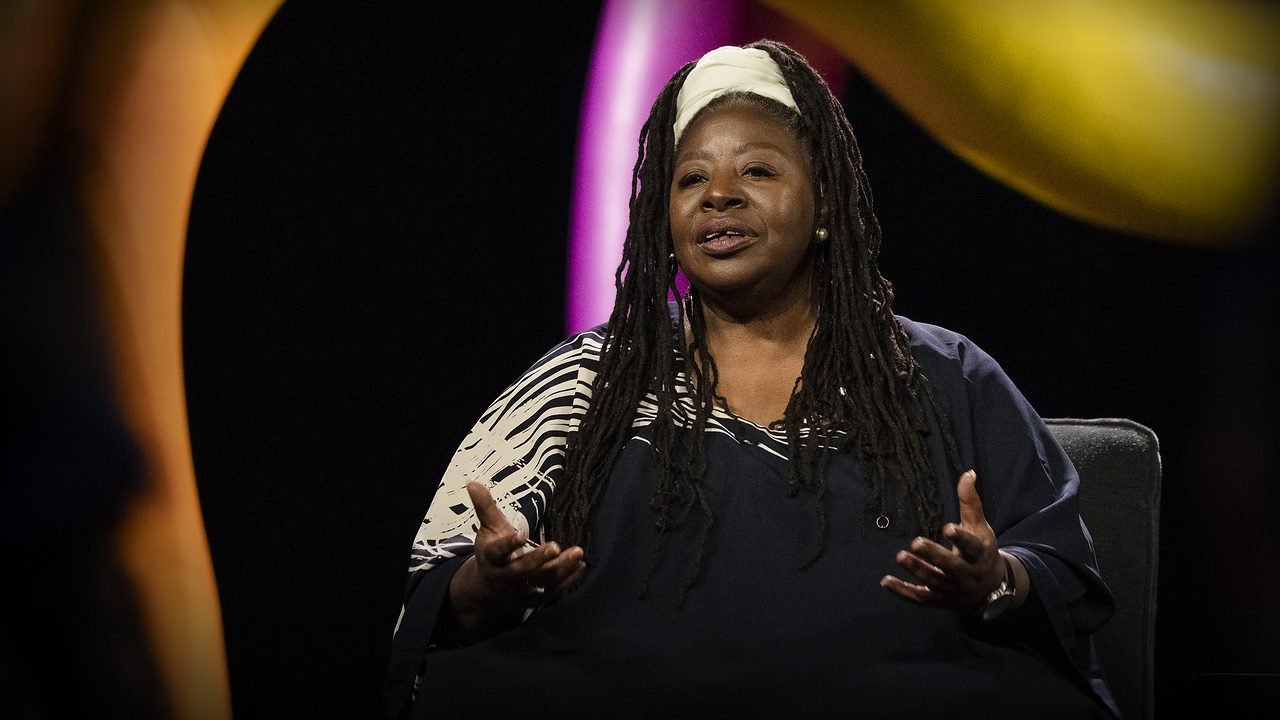
Videos · Aug 2021
Don't call people out -- call them in
Loretta J. RossLoretta J. Ross distinguishes public call-outs from invitations to dialogue: the latter can support accountability and change, but must not make harmed people responsible for endless patience and emotional labor.
02
Videos · Mar 2020
Giving Voice to Absence
Verónica VillalvazoMexican journalist and activist Verónica Villalvazo explains the daily work of documenting feminicide and accompanying families when official institutions allow victims to disappear twice.
03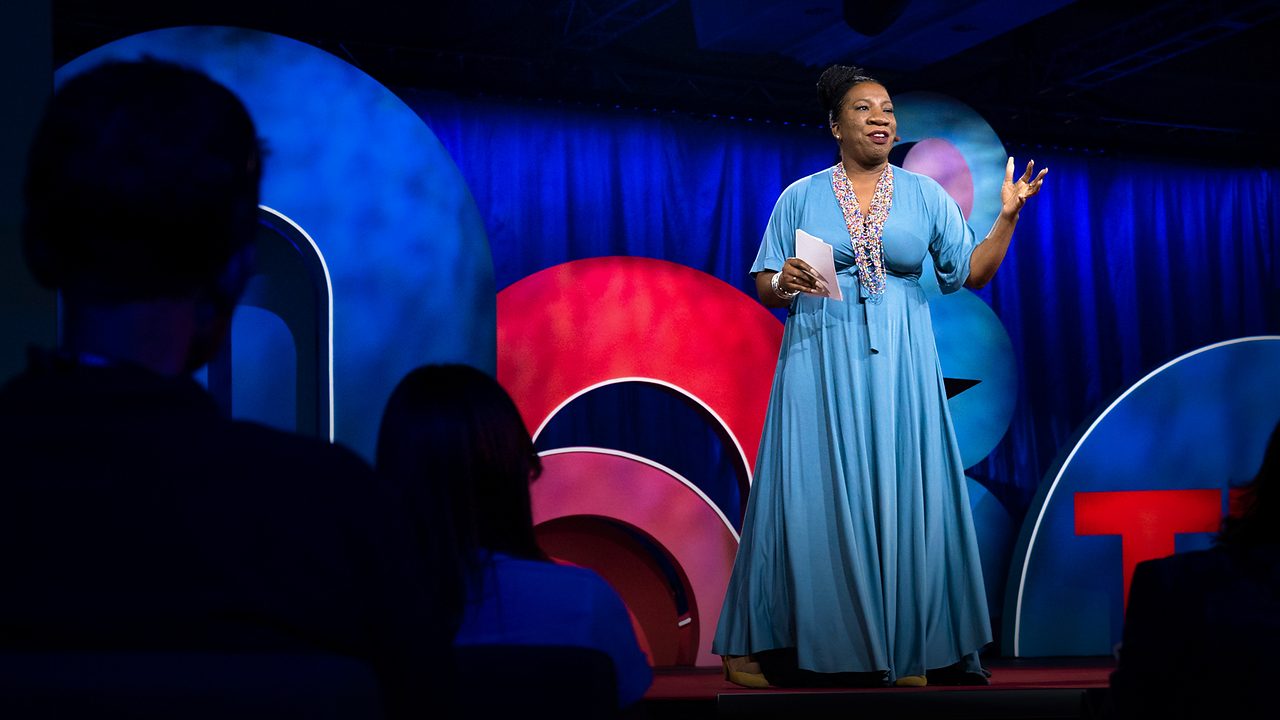
Videos · Nov 2018
Me Too is a movement, not a moment
Tarana BurkeTarana Burke traces Me Too from community organizing in 2006 to the global hashtag, centering survivor support, care after trauma and work beyond the media cycle.
04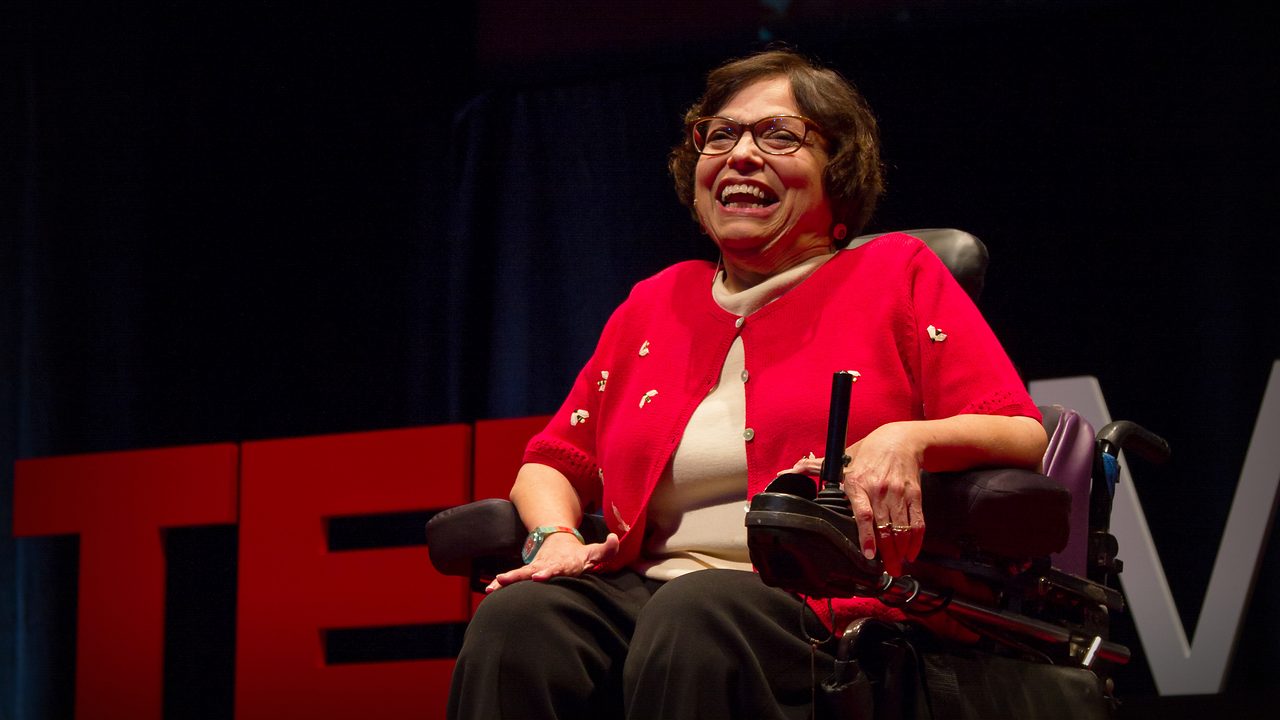
Videos · Mar 2018
Our fight for disability rights - and why we're not done yet
Judith HeumannJudith Heumann connects her struggle for education and public participation with the Section 504 protests, showing how collective organizing turns a legal promise into an enforceable right.
05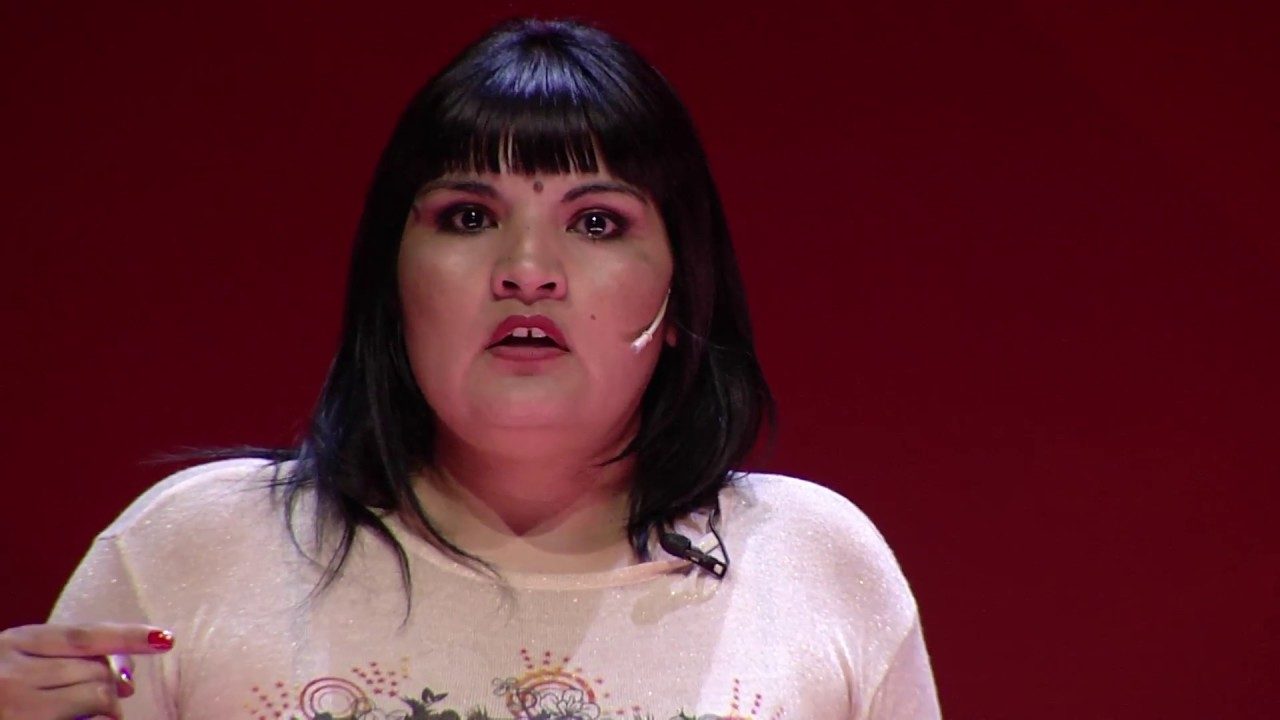
Videos · Dec 2017
A Whore and a Feminist: Chronicles of a Sex Worker
Georgina OrellanoArgentine sex-worker organizer Georgina Orellano moves from a schoolyard story about her son to questions of stigma, collective organization and labor rights.
06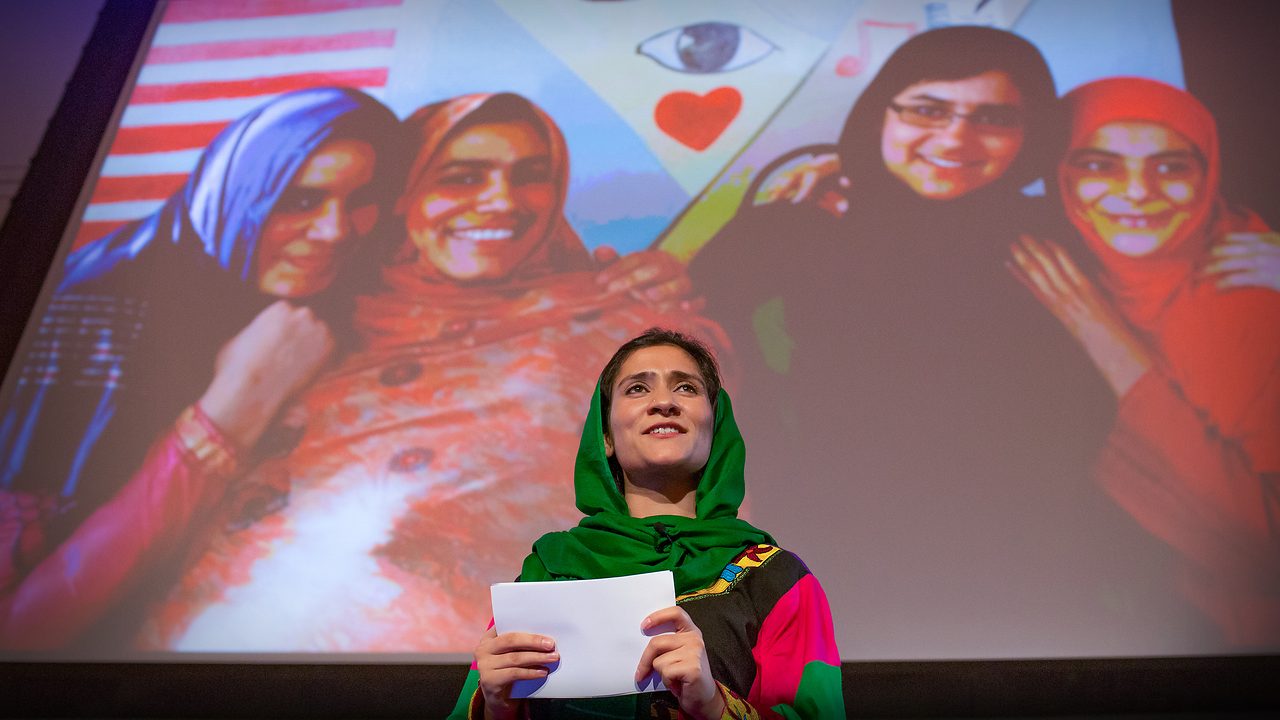
Videos · Feb 2013
Dare to educate Afghan girls
Shabana Basij-RasikhShabana Basij-Rasikh recalls secret schools under the Taliban’s first regime and asks how girls’ right to learn depends on families, women teachers and collective support.
Articles
Articles · Jan 2020
Violence and Discrimination against Women and Girls in Latin America and the Caribbean
Inter-American Commission on Human RightsA regional human-rights assessment of the gap between laws and lived protection, with specific attention to girls, reproductive rights, disappearances, femicide, and intersecting discrimination.
02Articles · Jan 2019
Afrodescendent Women in Latin America and the Caribbean: Debts of Equality
Economic Commission for Latin America and the CaribbeanA regional report tracing how slavery’s colonial legacy persists through racialized poverty, labor, health, violence, and exclusion from decision-making for Afro-descendant women.
03Articles · Oct 2013
Indigenous Women in Latin America: Demographic and Social Dynamics in a Human-Rights Framework
ECLAC / CELADE / Gender Equality ObservatoryA regional evidence base on Indigenous women’s physical, economic, and political autonomy that also exposes how statistical invisibility limits rights, policy, and accountability.
04Articles · Jun 2012
Wellness, Self-Care and Security: Why This Is Important to Feminism
Katherine RonderosKatherine Ronderos links personal, social and political care to show why activists’ wellbeing and security are part of sustaining feminist movements, not private concerns outside politics.
Papers
Papers · Mar 2016
Ending Violence against Women in Latin America: Feminist Norm Setting in a Multilevel Context
Conny RoggebandA study of feminist norm-making from resistance under dictatorship to the Belém do Pará Convention, focused on the persistent gap between regional commitments and state practice.
02Papers · Jan 2014
Exploring the Contours of African Sexualities: Religion, Law and Power
Sylvia TamaleSylvia Tamale analyzes how colonial law, organized religion, nationalism, and contemporary politics manufacture supposedly timeless African sexual norms and police nonconforming bodies.